The Cathedral of Cardboard Boxes: How Kids Built Kingdoms from Nothing

The Architecture of Imagination
In the summer of 1978, the vacant lot behind Maple Street wasn't just empty land — it was the Wild West, outer space, a medieval castle, and a secret spy headquarters, sometimes all in the same afternoon. Armed with nothing more than discarded cardboard boxes, fallen branches, and unlimited imagination, eight-year-old Tommy Martinez and his neighborhood crew built empires that would make Disney jealous.
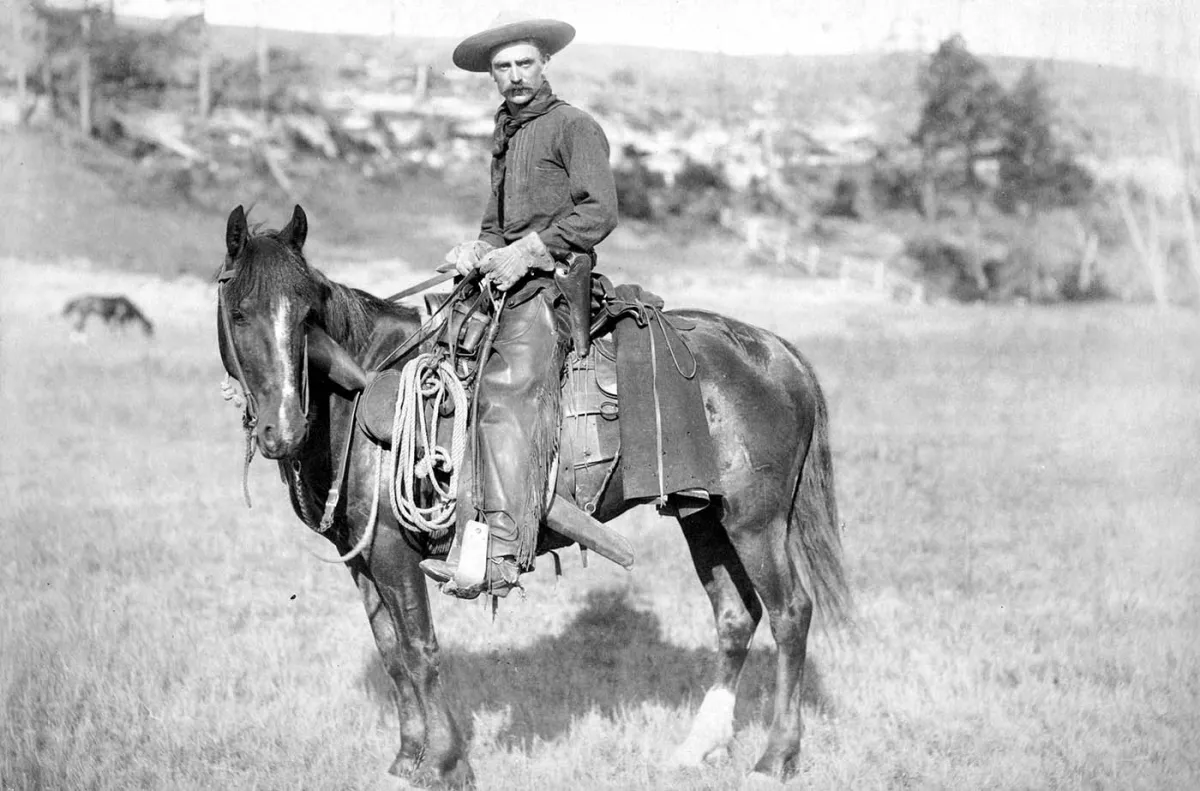 Photo: Wild West, via rarehistoricalphotos.com
 Photo: Maple Street, via images.squarespace-cdn.com
No permits required. No safety inspections. No adult supervision beyond the universal rule: be home when the streetlights come on.
This was childhood in America before we decided kids needed protection from everything, including boredom.
The Raw Materials of Wonder
What today's parents spend hundreds of dollars trying to recreate in their backyards, previous generations of children built for free using whatever they could find. The components of adventure were everywhere:
Cardboard boxes became spaceships, forts, race cars, and houses. The bigger the appliance, the grander the structure. A refrigerator box was the Holy Grail — large enough to stand in, sturdy enough to defend, and blank enough to become anything.
Fallen branches and scrap lumber transformed into swords, fishing poles, building materials, and magic wands. Every construction site was a treasure trove of possibility, and most contractors didn't mind kids hauling away their scraps.
Abandoned lots and wild spaces served as the canvas for these creations. Before every empty space was developed or fenced off, cities and suburbs were dotted with forgotten corners where kids could build, dig, and create without interference.
The Democracy of Play
The beauty of vacant lot adventures was their radical inclusivity. Unlike today's organized sports teams with tryouts and fees, or structured activities that require registration and equipment, these impromptu kingdoms welcomed anyone who showed up.
Age differences that seemed insurmountable in school became irrelevant when there were forts to build and adventures to plan. Ten-year-old Jenny might be the architect of the cardboard castle, while six-year-old Mike became the designated lookout. Teenagers, who might otherwise ignore younger kids, found themselves drafted as engineering consultants for particularly ambitious projects.
Leadership emerged organically. The kid with the best ideas, the most charisma, or simply the biggest cardboard box often became the day's general, but power structures shifted constantly. Today's follower might be tomorrow's visionary.
The University of Hard Knocks
These unstructured adventures taught lessons no classroom could replicate. Kids learned physics by building structures that fell down, and engineering by figuring out what would stay up. They discovered negotiation through disputes over territory and resources. They mastered conflict resolution because there were no adults to intervene when disagreements arose.
Most importantly, they learned resilience. When the carefully constructed fort collapsed in a windstorm, there was no insurance claim to file or parent to demand a refund. There was only tomorrow, another pile of cardboard, and the chance to build something better.
Failure wasn't traumatic — it was informative. Success wasn't guaranteed — it was earned.
The Rhythm of Unsupervised Time
The vacant lot adventures operated on a different temporal rhythm than modern childhood. There were no scheduled start times, no predetermined endpoints, and no adult-imposed structure. Kids drifted in and out of activities as interest and energy dictated.
A morning spent building a cardboard spaceship might evolve into an afternoon of exploring the creek behind the lot, which could transform into an evening of catching fireflies in mason jars. The day's activities were determined by collective whim, available materials, and the mysterious logic of childhood curiosity.
This unstructured time taught kids to self-regulate, to recognize their own needs and interests, and to negotiate with peers who might have different ideas about how to spend the day.
When Danger Was Educational
Today's parents would be horrified by the casual relationship previous generations had with childhood risk. Kids climbed trees without safety harnesses, built fires without adult supervision, and constructed elaborate rope swings over creeks without liability waivers.
But this wasn't recklessness — it was education. Children learned to assess risk through experience, not through adult warnings. They developed physical confidence by testing their limits in environments where the stakes were real but manageable.
A scraped knee from falling off a homemade balance beam taught balance better than any gymnasium class. A minor burn from an unsupervised campfire taught fire safety more effectively than any safety video.
The Creativity Crisis
Research suggests that American children's creativity scores have been declining since the 1990s, coinciding with the rise of structured play, screen time, and adult-supervised activities. The vacant lot adventures of previous generations may have been more than just fun — they may have been essential for developing the kind of divergent thinking that drives innovation.
When children are constantly provided with pre-made entertainment and structured activities, they have fewer opportunities to develop the improvisational skills that turn cardboard boxes into castles and empty lots into kingdoms.
The Safety Revolution That Changed Everything
The transformation didn't happen overnight, but by the 1990s, a combination of increased safety awareness, liability concerns, and changing parenting philosophies had largely ended the era of unsupervised vacant lot adventures.
Playgrounds were redesigned to eliminate risk. Empty lots were developed or fenced off. Parents became increasingly concerned about stranger danger and injury liability. The free-range childhood that had been normal for generations suddenly seemed irresponsible.
What We Built Instead
Modern childhood offers unprecedented opportunities: organized sports leagues, enrichment programs, educational apps, and playgrounds designed by safety engineers. Children today have access to resources and experiences that previous generations couldn't imagine.
But something was lost in translation. The scheduled playdate replaced the spontaneous adventure. The supervised activity replaced the self-directed exploration. The purchased toy replaced the improvised creation.
The Cardboard Cathedral Lives On
In some corners of America, the spirit of vacant lot adventure survives. Adventure playgrounds, forest schools, and "loose parts" play areas attempt to recreate the conditions that once existed naturally in every neighborhood.
Some parents are rediscovering the value of boredom, unstructured time, and yes, even a little bit of risk in their children's lives. They're learning what previous generations knew instinctively: that kids don't need expensive equipment to have profound experiences — they just need time, space, and the freedom to transform nothing into everything.
The vacant lot behind Maple Street is now a strip mall, but somewhere, in some forgotten corner of some neighborhood, a child is probably looking at a cardboard box and seeing infinite possibility. That's where the real magic happens — not in what we give our children, but in what we allow them to create for themselves.