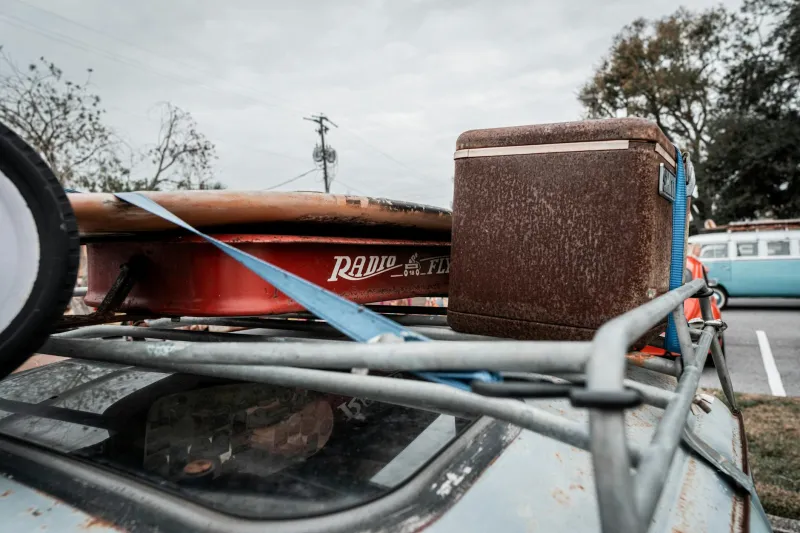
The Great American Captivity
Every summer, millions of American families performed the same ritual: they loaded up the wood-paneled station wagon with suitcases, coolers, and kids, then drove for eight hours to a destination that probably wasn't worth an eight-hour drive. And somehow, those long, uncomfortable, air-conditioning-optional journeys became the stuff of lifelong memories.
Today's families fly to Disney World in three hours or stream Netflix from individual screens during "short" four-hour drives. But something magical happened in those endless miles of pre-digital family travel that we can't replicate with efficiency and entertainment.
The Democracy of Boredom
In the station wagon era, everyone suffered equally. Parents couldn't escape into podcasts or hands-free phone calls. Kids couldn't disappear into tablets or personal devices. The whole family was trapped together in a moving metal box with nothing but each other for entertainment.
This forced intimacy created unexpected connections. Conversations that might never have happened at home emerged naturally during hour six of driving through Kansas. Family jokes were born from shared misery. Stories were told and retold until they became family mythology.
The "Are we there yet?" chorus wasn't just annoying—it was a bonding ritual that united kids in their shared suffering and gave parents something to laugh about years later.
Navigation by Argument
Before GPS, family road trips required actual navigation skills and democratic decision-making. The atlas lived in the glove compartment like a sacred text. Gas station maps were collected like trading cards. Route planning involved the whole family gathered around the kitchen table, tracing highways with their fingers.
Getting lost wasn't a technological failure—it was an adventure. Wrong turns led to unexpected discoveries: roadside attractions, local diners, scenic overlooks that weren't in any guidebook. Families learned to adapt, to problem-solve together, to find humor in mistakes.
Arguments over directions became family legends. "Remember when Dad insisted we could take a shortcut through that cornfield?" These navigational disasters were frustrating in the moment but transformed into beloved stories that got better with each telling.
The Roadside Republic
American highways in the pre-GPS era were lined with a democratic ecosystem of family-owned businesses competing for the attention of captive travelers. Howard Johnson's orange roofs promised familiar food and clean restrooms. Holiday Inn signs guaranteed standard comfort. Local diners advertised "World's Best Pie" with hand-painted signs.
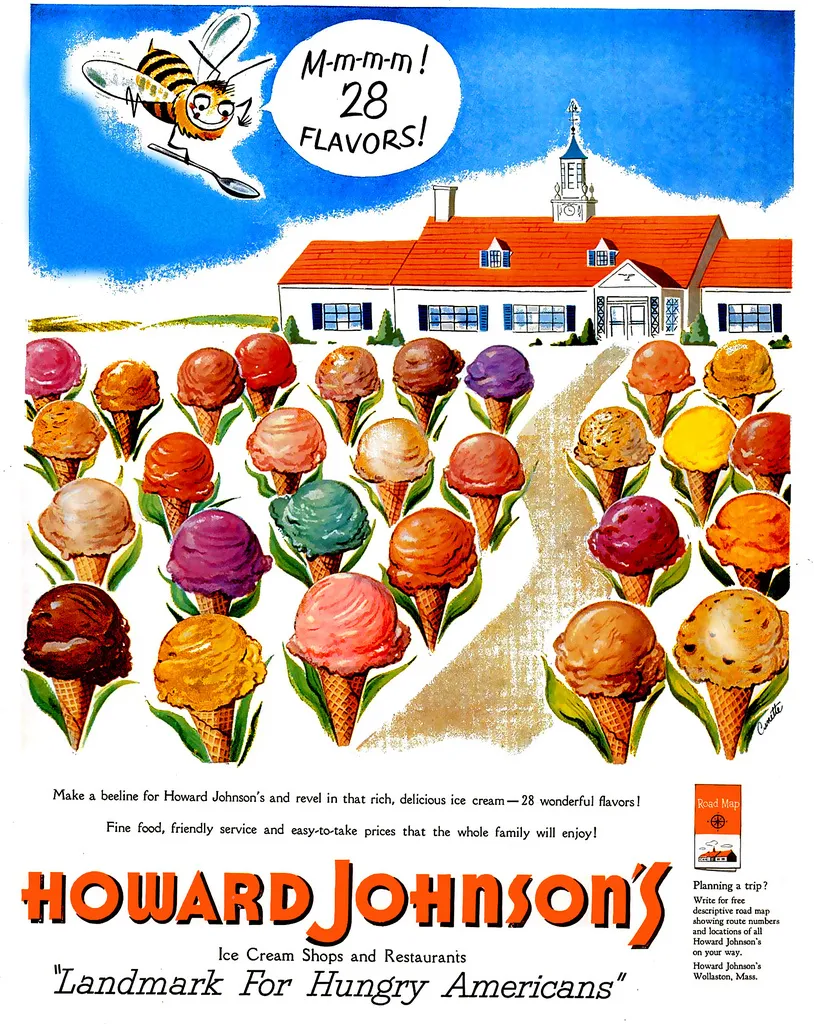 Photo: Howard Johnson's, via 1.bp.blogspot.com
These stops weren't just fuel and food breaks—they were destinations in themselves. Kids collected postcards from every state. Families posed for pictures next to giant roadside attractions: oversized balls of twine, concrete dinosaurs, the world's largest rocking chair.
The journey became as important as the destination because the journey offered genuine surprises. You never knew what you'd find at the next exit, and that uncertainty created excitement that no amount of Yelp reviews can replicate.
Games Without Batteries
Entertainment in the family station wagon required creativity and participation. License plate bingo turned boring highway time into competitive family sport. Twenty questions could last for entire states. "I Spy" made kids actually look out the windows and notice their surroundings.
These analog games did more than pass time—they taught observation skills, geography, and creative thinking. Kids learned to entertain themselves and each other without external stimulation. Silence wasn't uncomfortable; it was just another part of the journey.
Singing along to AM radio created shared soundtracks. Families had favorite road trip songs that could instantly transport them back to specific trips years later. Music wasn't personalized; it was communal.
The Motel Culture
Before hotel loyalty programs and online booking, finding a place to stay was part of the adventure. Families drove until they were tired, then started looking for vacancy signs. The neon-lit motel strip was a nightly treasure hunt.
Motels competed on charm and quirks rather than standardized amenities. Swimming pools were exotic luxuries. Ice machines and vending machines provided evening entertainment for kids. Connecting rooms made families feel like they were living in a temporary compound.
These overnight stops created micro-adventures within the larger journey. Kids made friends with other traveling families at the pool. Parents shared travel tips and route recommendations with strangers who became temporary allies in the great American migration.
The Shared Captivity Effect
What made station wagon vacations special wasn't the destinations—it was the shared experience of getting there. Families learned each other's travel personalities: who got carsick, who needed frequent bathroom stops, who could sleep anywhere, who always had snacks.
These discoveries built empathy and understanding that carried over into daily life. Kids learned patience from watching parents navigate traffic and weather delays. Parents saw their children's creativity and resilience during long stretches of highway boredom.
The inability to escape each other forced families to work out conflicts, share resources, and find common ground. You couldn't retreat to separate screens or different activities—you had to figure out how to coexist in close quarters for extended periods.
The Efficiency Trap
Today's family travel prioritizes speed and convenience over experience. GPS eliminates wrong turns but also eliminates discoveries. Backseat entertainment systems prevent fighting but also prevent conversation. Flying gets families to destinations quickly but skips the journey entirely.
We've optimized travel for efficiency and comfort, but we've lost the transformative power of shared struggle and discovery. Modern families arrive at destinations refreshed and entertained, but they haven't necessarily grown closer or created shared stories.
The predictability of modern travel eliminates both frustration and surprise. We know exactly where we're going, how long it will take, and what we'll find when we get there. There's comfort in that certainty, but there's no adventure.
The Last Station Wagon Summer
Somewhere in America, the last family loaded up their wood-paneled station wagon for one final epic road trip. They didn't know they were ending an era—they just thought they were going to see the Grand Canyon.
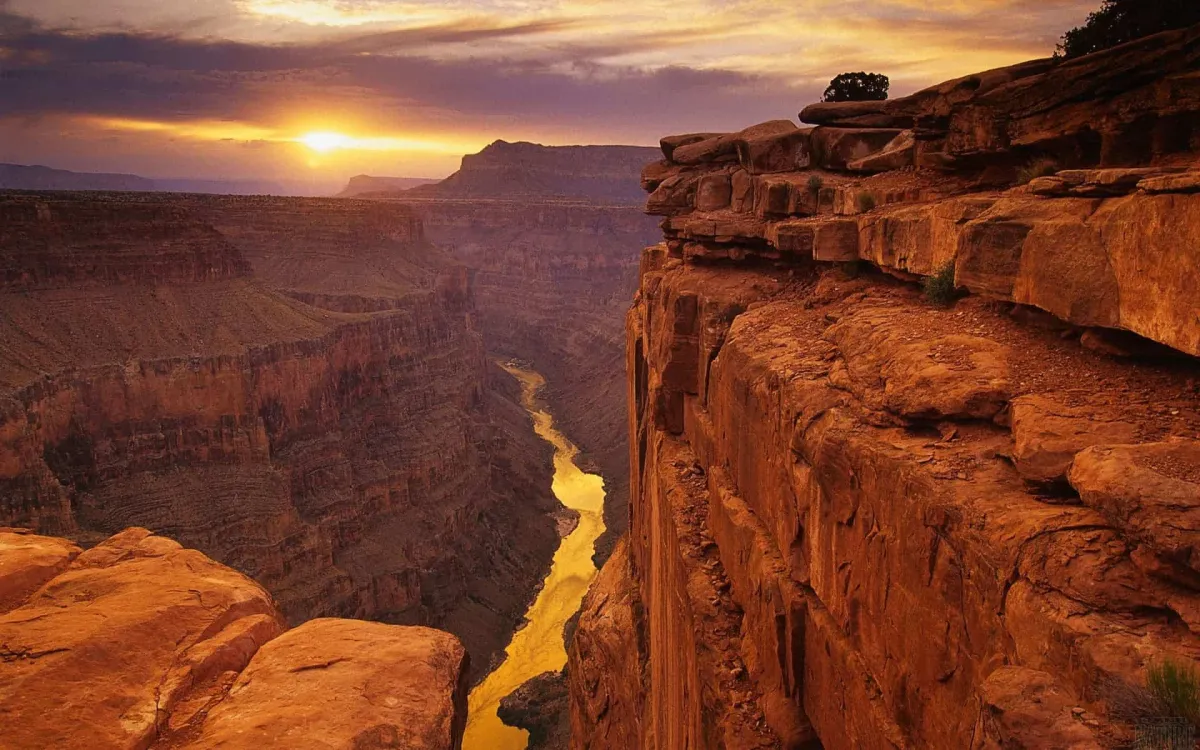 Photo: Grand Canyon, via cdn.zmescience.com
That family experienced something their children will never quite understand: the democracy of boredom, the adventure of getting lost, and the strange magic that happened when families had nothing to do but be together for hundreds of miles.
The station wagon vacation taught Americans that getting there really was half the fun. We just forgot that lesson in our rush to arrive.