The Last Great Gathering Place: When Your Local Diner Knew Everyone's Story
The Last Great Gathering Place: When Your Local Diner Knew Everyone's Story
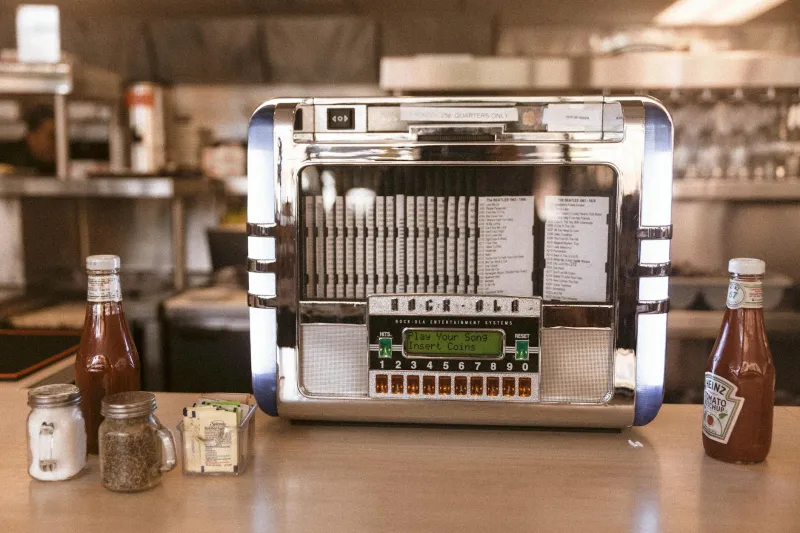
Every morning at 6:47 AM, Harold would slide onto the third stool from the left at Mickey's Diner, order black coffee and wheat toast, and proceed to hold court for the next hour and fifteen minutes. The farmers came in before dawn, still smelling of hay and diesel fuel. The factory workers arrived during shift change, their lunch pails clattering against the Formica counter. The mayor usually wandered in around 8:30, pretending he just happened to be in the neighborhood.
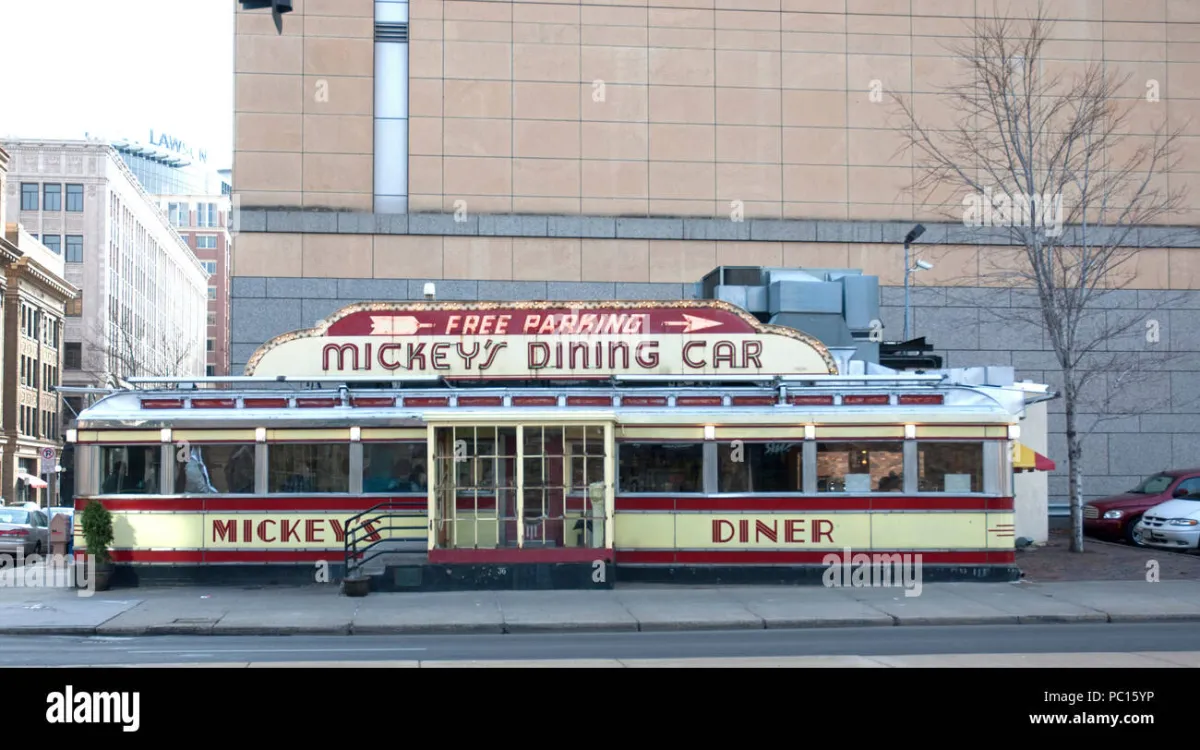 Photo: Mickey's Diner, via c8.alamy.com
By 9 AM, Mickey's had served as newspaper, town hall, employment agency, and therapy session for half the town. Then everybody went to work, and life continued.
That was America in 1965, when every town had its Mickey's, and every Mickey's was the beating heart of its community.
The Democracy of the Counter
Step into any classic American diner between 1940 and 1980, and you'd witness something remarkable: a completely egalitarian social space where bank presidents sat next to bus drivers, where teenagers shared counter space with retirees, where the only thing that mattered was whether you could flag down Dolores for a coffee refill.
The lunch counter was America's great leveler. Your job title, your bank account, your family name — none of it mattered when you were perched on a red vinyl stool, elbows on the counter, arguing about baseball or politics or whether the new highway was going to ruin downtown.
This wasn't accidental. The physical design of the classic diner forced interaction. You couldn't hide in a corner booth scrolling through your phone (partly because phones were still attached to walls). You sat shoulder-to-shoulder with whoever happened to be there, whether you knew them or not.
The Original Social Network
Long before algorithms determined what news you'd see, the diner counter served as America's information distribution system. Walter Cronkite might have told you what was happening in Vietnam, but Mabel behind the counter told you that the Johnson boy had enlisted, that the Petersons were selling their farm, and that somebody better do something about the pothole on Maple Street before winter.
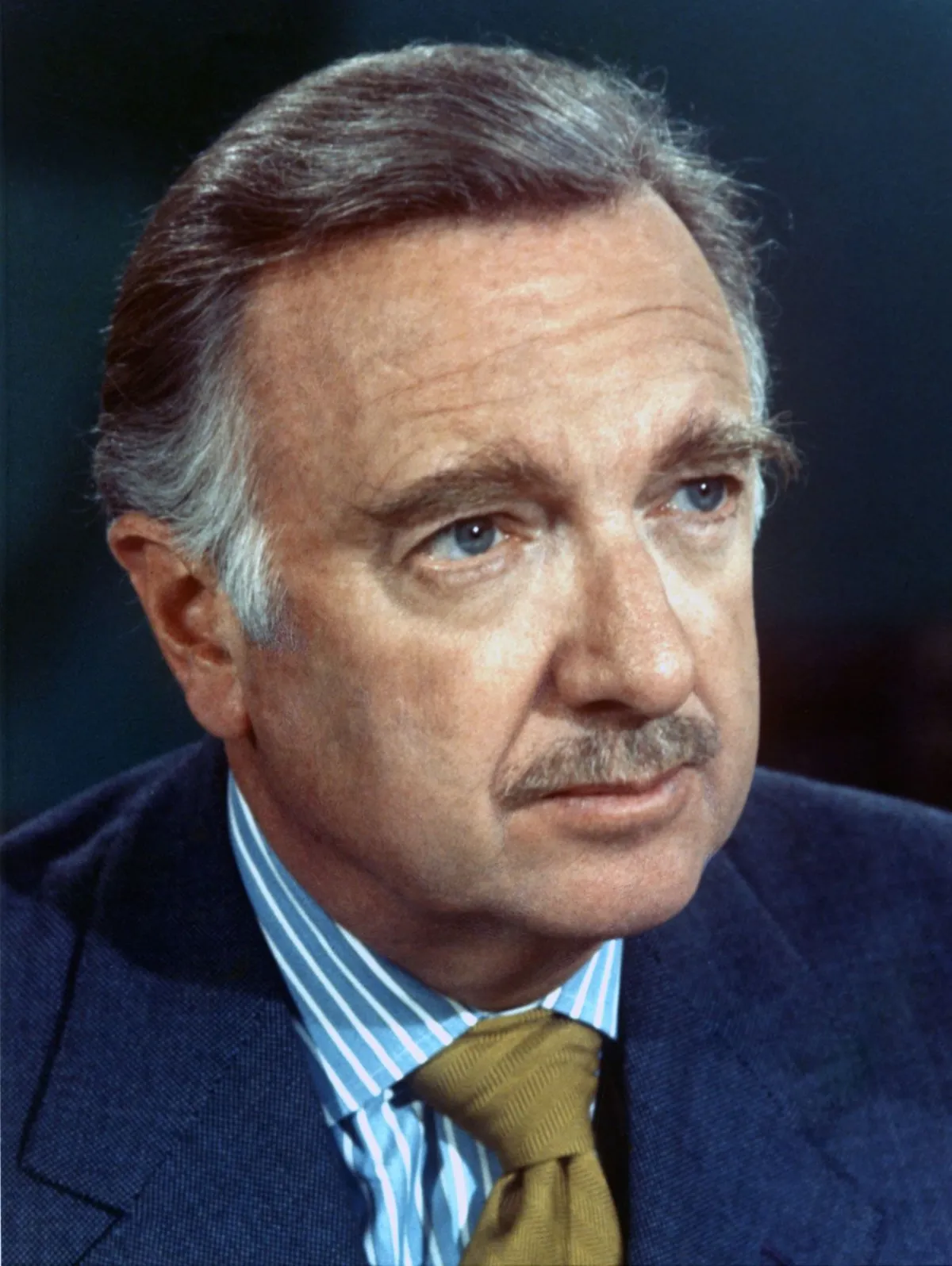 Photo: Walter Cronkite, via cdn.britannica.com
The waitresses were the network administrators of this analog social system. They knew everyone's usual order, everyone's family drama, and everyone's opinion on everything. They facilitated introductions, settled arguments, and made sure the coffee kept flowing. In many ways, they were the first social media influencers — except their influence was measured in community connection rather than click-through rates.
News traveled fast in diner America. A factory layoff announced at 7 AM would be common knowledge by lunch. A high school football victory on Friday night would still be generating celebration on Monday morning. Political scandals were debated in real time, with opposing viewpoints forced to sit close enough to actually listen to each other.
Where Deals Were Made and Problems Solved
The diner wasn't just about information — it was about action. Real business happened on those red vinyl stools. Farmers arranged equipment swaps over scrambled eggs. Small business owners found their next employees during the breakfast rush. Local politicians learned what was really bothering their constituents, not from polls or focus groups, but from direct conversation with people who weren't afraid to speak their minds.
Need a babysitter? Ask around at the diner. Looking for someone to fix your roof? The counter regulars would have three recommendations before you finished your coffee. Trying to organize a fundraiser for the volunteer fire department? By the time you explained the situation, half the money would already be pledged.
This was crowdsourcing before the internet, peer-to-peer networking before LinkedIn, and community organizing before social media activism. It worked because it was face-to-face, immediate, and built on relationships that extended far beyond the diner's walls.
The Slow Disappearance
The decline of diner culture didn't happen overnight. It was death by a thousand cuts, each one seeming reasonable at the time.
First came the suburbs, spreading Americans across wider distances and making the neighborhood gathering place less central to daily life. Then came the interstate highway system, which bypassed downtown areas where most diners were located. Fast food chains offered speed and convenience that the local diner couldn't match.
Meanwhile, American work life was changing. The nine-to-five job with a predictable lunch hour was giving way to flexible schedules, longer commutes, and eating at your desk. The leisurely breakfast debate session became a luxury that fewer people could afford.
By the 1990s, the final blow was being delivered by technology. Why argue politics with strangers when you could find people online who already agreed with you? Why ask the locals for recommendations when you had Yelp reviews? Why make small talk with your neighbors when you could text your friends?
The Algorithm Replacement
Today's social networks promise to connect us more efficiently than any lunch counter ever could. Facebook can introduce you to people who share your interests. Twitter can deliver breaking news faster than any small-town rumor mill. LinkedIn can facilitate business connections without requiring you to leave your house.
But efficiency isn't the same as effectiveness, and connection isn't the same as community. The algorithm-driven social networks excel at showing us what we want to see and connecting us with people who think like us. The old diner counter forced us to encounter different perspectives, to engage with people we might not have chosen as friends, to deal with disagreement in real time.
When your news comes from an algorithm, you get information tailored to your existing beliefs. When it comes from Harold at the diner counter, you get information filtered through the experiences of someone who's lived in your community for forty years, who's seen cycles of boom and bust, who remembers when the current crisis was solved before.
What We Lost in Translation
The disappearance of the neighborhood diner represents more than just a change in dining habits — it's the loss of a fundamental American institution. These weren't just restaurants; they were democracy in action, community building in its most basic form, and social networking before anyone had invented the term.
In the old diner, you couldn't curate your social experience. You couldn't block people who annoyed you or mute conversations you didn't want to hear. You had to learn to coexist with the full spectrum of humanity, to find common ground with people who saw the world differently, to practice the kind of tolerance and compromise that democracy requires.
Modern Americans are more connected than ever before, but we're also more isolated. We have access to more information than any generation in history, but we're less informed about our own communities. We can instantly communicate with people on the other side of the world, but we don't know our neighbors' names.
The Search for the New Gathering Place
Every few years, someone announces that they've found the "new diner" — the coffee shop, the co-working space, the community center that will restore America's sense of place. But these efforts usually miss the point. The diner worked not because of what it was, but because of what it represented: a daily ritual that brought different kinds of people together in the same physical space for a shared purpose.
Today's gathering places tend to be self-selecting. The yoga studio attracts yoga people. The craft brewery draws craft beer people. The co-working space fills up with laptop people. We've become experts at finding our tribes, but we've forgotten how to be neighbors.
Before the blink, Americans gathered at lunch counters to share their stories, debate their differences, and solve their problems together. After the blink, we retreated to our screens, our feeds, and our carefully curated social circles. We gained efficiency and lost community, and most days it doesn't feel like a fair trade.