Saturday at the Showroom: When Car Shopping Was America's Favorite Family Adventure
The Carnival Came to Main Street Every Saturday
Picture this: It's Saturday morning in 1972, and the Johnson family piles into their wood-paneled station wagon for their monthly ritual — a visit to Peterson Chevrolet. Not because they need a car, but because it's the most entertaining free show in town.
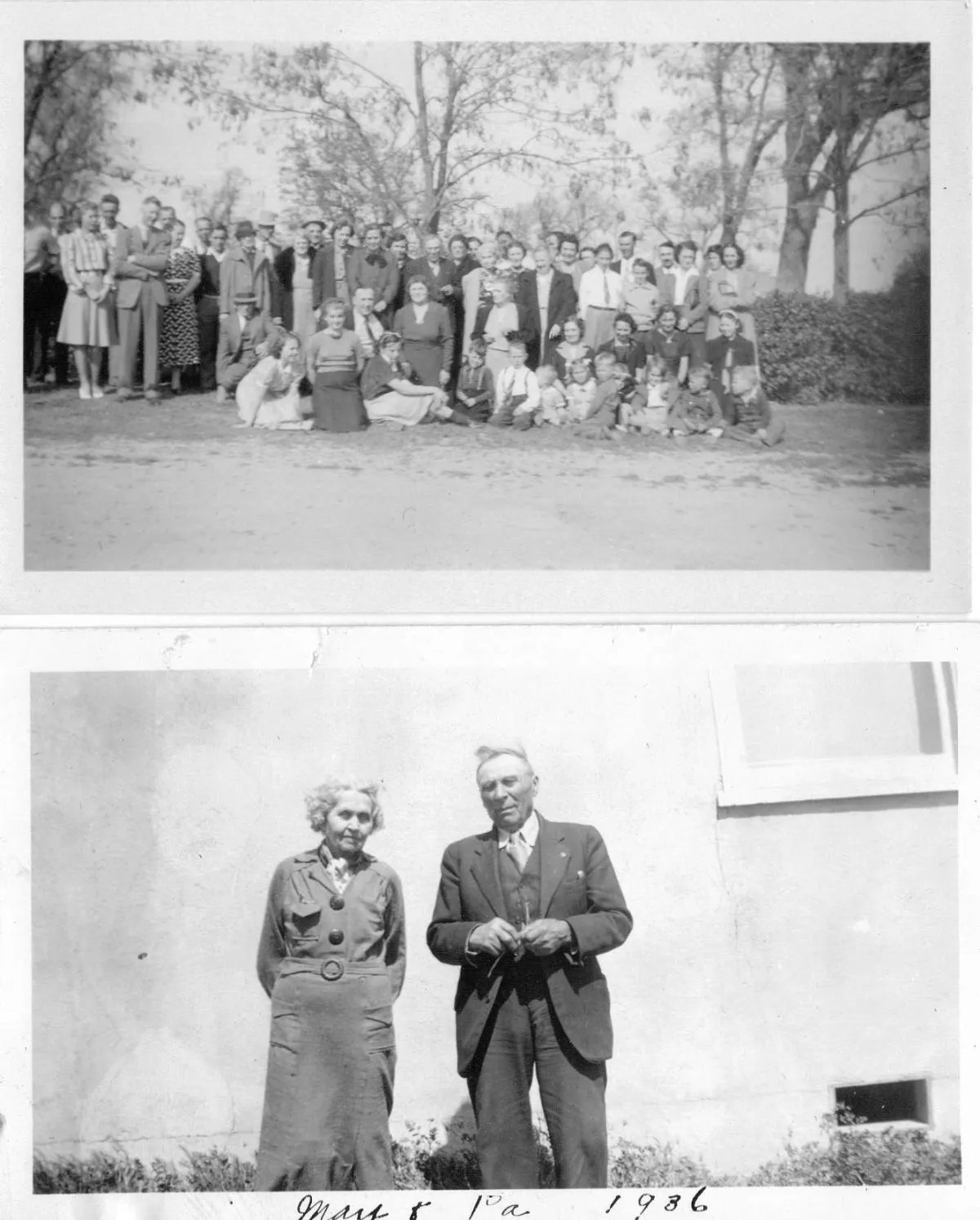 Photo: Johnson family, via templetonmuseum.com
Balloons bob from every antenna. The smell of grilling hot dogs mingles with that intoxicating new car scent. Kids press their noses against showroom windows while their parents chat with Bob Peterson himself, who asks about their youngest daughter's piano recital and remembers that Mr. Johnson prefers his coffee black.
 Photo: Bob Peterson, via images.mubicdn.net
This wasn't car shopping. This was community theater, and everyone had a role to play.
When Dealers Were Neighbors, Not Adversaries
The American car dealership of the 1960s and 70s operated on a completely different premise than today's high-pressure sales environment. Dealers weren't trying to separate you from your money in a single afternoon — they were building relationships that would span decades and generations.
Bob Peterson knew he'd sell maybe one car to every twenty families who wandered through his showroom on any given Saturday. But those nineteen families who didn't buy? They were his future customers, his word-of-mouth marketing team, and often, his friends. He treated them accordingly.
Salesmen wore name tags and meant it when they said, "Just let me know if you have any questions." They weren't sharks circling for a quick kill — they were neighbors who happened to sell cars for a living. Many had been with the same dealership for decades, building trust one conversation at a time.
The Saturday Social Hour
What made the weekend dealership visit special wasn't just the cars — it was the social experience. Families would spend hours wandering between the new models, kids climbing into driver's seats while parents debated the merits of power steering versus manual transmission.
The showroom was designed for lingering. Comfortable chairs were scattered throughout, ashtrays on every table (this was the 70s, after all), and often a coffee station where customers could help themselves. Some dealerships had play areas for children, complete with toy cars and coloring books.
It wasn't unusual for neighbors to run into each other at the dealership, turning a casual browse into an impromptu social gathering. The car lot became an extension of the community center, a place where people connected over shared dreams of chrome bumpers and V8 engines.
The Art of the Soft Sell
Salesmanship in the golden age of car shopping was an art form, but not the aggressive, manipulative art we associate with car sales today. It was more like hosting a dinner party where everyone happened to be surrounded by automobiles.
Experienced salesmen knew that the family admiring the Impala convertible probably wouldn't buy it today, or even this year. But they also knew that treating them with respect and genuine interest would pay dividends when they were ready to make a purchase.
"Take your time," was the standard greeting, and they meant it. Salesmen would spend twenty minutes explaining the features of a car to someone who clearly couldn't afford it, not because they were naive about closing deals, but because they understood that today's browser might be tomorrow's buyer — or might recommend the dealership to their brother-in-law who was ready to purchase.
When Financing Was Simple and Transparent
The financial aspect of car buying was refreshingly straightforward. Sticker prices were close to actual prices. Trade-in values were calculated on the spot using published guides, not mysterious algorithms. And financing terms were discussed openly, without the maze of add-ons, warranties, and fees that characterize today's F&I office experience.
Most importantly, the entire transaction could be completed in a reasonable amount of time. A family could walk onto a lot at 10 AM, test drive a few cars, negotiate a fair deal, and drive home in their new vehicle by lunch time.
The Death of the Saturday Showroom
Several forces conspired to kill the weekend car shopping tradition. Manufacturers began pressuring dealers to focus on volume over relationships. The rise of national advertising made local dealership personality less important. And perhaps most significantly, car buying became increasingly complex and adversarial.
Today's car shoppers arrive at dealerships armed with internet research, pre-approved financing, and a deep suspicion of anything the salesperson might say. The relationship has fundamentally shifted from collaborative to combative.
The Modern Ordeal
Walk into a contemporary car dealership and the experience couldn't be more different from those Saturday adventures of decades past. The showroom might be more luxurious, but it's designed for efficiency, not lingering. Salespeople are under pressure to qualify prospects quickly and move them through the sales process.
The average car purchase now takes four to six hours — not because people are savoring the experience, but because of the complex web of financing options, extended warranties, service contracts, and add-on products that modern dealers use to maximize profit per vehicle.
What used to be a pleasant social experience has become something most people approach with the same enthusiasm as a root canal or tax audit.
The Community We Lost
The transformation of car shopping from community event to necessary evil represents a broader shift in American culture. We've gained efficiency and perhaps better deals, but we've lost something harder to quantify — the simple pleasure of spending a Saturday morning dreaming about the open road while surrounded by neighbors doing the same thing.
The local car dealer who knew three generations of the same family has been replaced by corporate-owned megadealerships where salespeople turn over every few months. The Saturday showroom visit has been replaced by online research and brief, transactional encounters.
Progress has made car buying faster and more informed, but it's also made it lonelier. Sometimes the most efficient way to do something isn't the most human way — and Saturday mornings at Peterson Chevrolet were beautifully, wonderfully human.