Sink or Swim Was Actually a Teaching Method: How Public Pools Became Padded Playgrounds
The Deep End Used to Mean Something
Summer of 1967 at Riverside Municipal Pool: Eight-year-old Tommy approaches the lifeguard's chair with determination and terror in equal measure. "I want to take the test," he announces. The lifeguard, a bronze teenager named Mike, points toward the deep end. "Swim to the far wall and back. No stopping, no touching the sides. Make it, and you get deep-end privileges."
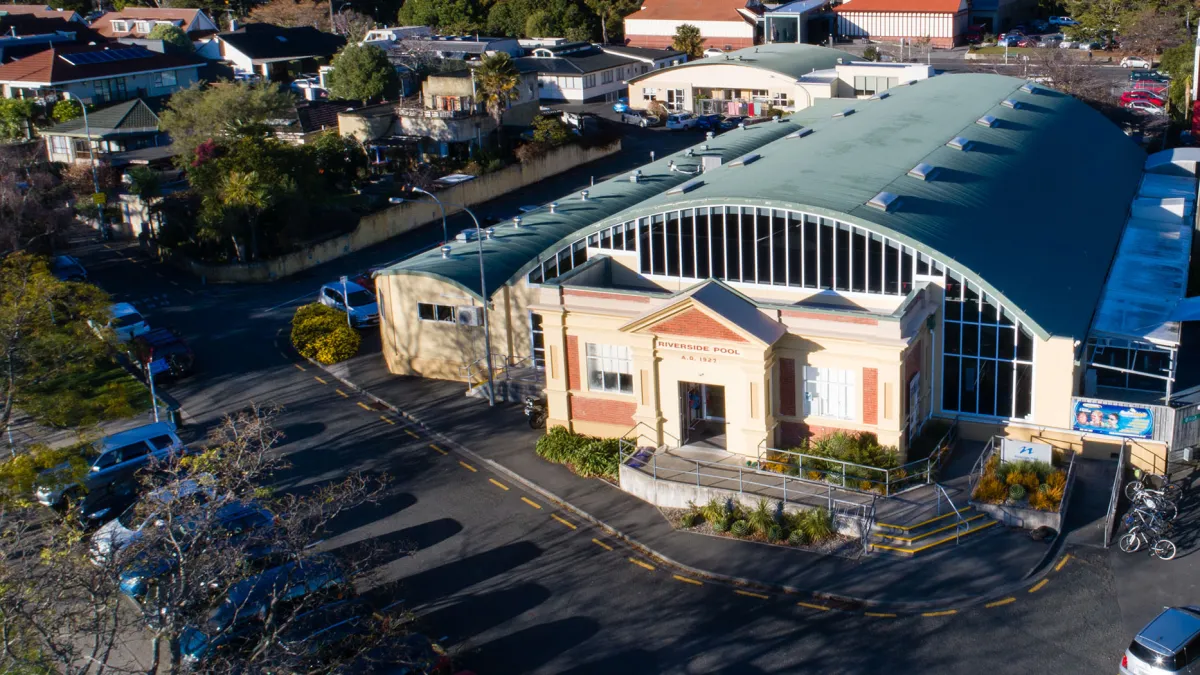 Photo: Riverside Municipal Pool, via www.clmnz.co.nz
No floaties. No parent hovering three feet away. No safety briefing or liability waiver. Just Tommy, twelve feet of chlorinated water, and a simple challenge that would determine his summer freedom. This scene played out at public pools across America, where the deep end wasn't just the far side of the pool—it was a rite of passage.
The swim test was America's most democratic proving ground. Rich kid or poor kid, everyone faced the same challenge. Either you could handle yourself in deep water, or you couldn't. The pool didn't care about your parents' anxiety levels or their opinions about appropriate risk management.
When Lifeguards Weren't Helicopter Parents
The lifeguard at your local pool was typically a high school student armed with a whistle, a tan, and exactly zero tolerance for nonsense. Their job description was simple: prevent drowning. Everything else—scraped knees, hurt feelings, minor disputes—was considered part of childhood's natural curriculum.
One lifeguard managed the entire pool. Not one lifeguard per section, per age group, per activity. One person with eyes trained to spot actual danger, not potential lawsuits. They sat high in their chair, scanning for kids in genuine distress, while hundreds of children learned to navigate water, conflict, and independence simultaneously.
The whistle meant business. One sharp blast: knock it off. Two blasts: get out of the pool for ten minutes. Three blasts: you're done for the day, and good luck explaining to your parents why you got kicked out. This system worked because consequences were immediate, consistent, and not subject to negotiation.
The Shallow End Was Actually Shallow
Before pool design became an exercise in liability prevention, public pools had real shallow ends and genuinely deep ends. The shallow section might be three feet deep—enough for small children to stand comfortably, but deep enough that they had to think about what they were doing.
The deep end often dropped to twelve or fifteen feet, creating an actual swimming challenge. Diving boards were standard equipment, not luxury additions requiring special insurance. The high dive—sometimes twenty feet above the water—represented the ultimate test of courage and skill.
Kids spent entire summers working up the nerve to jump from the high board. It wasn't about Instagram-worthy stunts or parental bragging rights. It was about personal conquest, facing fear, and earning respect from peers who understood exactly what that jump represented.
Learning Through Natural Consequences
The old pool system operated on a simple principle: kids learn by doing, failing, and trying again. You learned to swim not through formal lessons with certified instructors, but by watching other kids, experimenting with different techniques, and gradually building confidence in deeper water.
Rough play was expected and managed, not eliminated. Kids learned to resolve conflicts without adult intervention because the lifeguard wasn't going to mediate every splash fight or diving board dispute. You figured out social dynamics through trial and error, developing negotiation skills and resilience along the way.
The pool taught practical life skills that no classroom could replicate. How to assess risk. How to push personal boundaries safely. How to help others without being asked. How to accept failure and try again. These lessons happened naturally, organically, without anyone calling them "character development" or "grit training."
The Great Bubble-Wrapping of America
Sometime in the 1990s, American public pools underwent a dramatic transformation. Liability concerns drove design changes that prioritized safety over challenge. The deep end got shallower. Diving boards disappeared. Multiple lifeguards appeared, armed with pool noodles and an expanded definition of dangerous behavior.
The swim test evolved into swimming lessons—formal, structured, and conducted by certified instructors. The simple pass/fail challenge became a complex progression of skills, levels, and certificates. What once took an afternoon of courage now required weeks of scheduled classes.
Parents began hovering at pool edges, ready to intervene at the first sign of struggle. The idea that children should face challenges independently became suspect, replaced by the belief that adult supervision and intervention were always preferable to natural learning processes.
Today's Pool Experience
Walk into a modern public pool, and you'll find a carefully orchestrated environment designed to prevent every possible mishap. Multiple lifeguards patrol sections divided by age and activity. Pool depths rarely exceed eight feet. Warning signs cover every surface, detailing prohibited activities that would have been considered normal play fifty years ago.
Children arrive equipped with flotation devices that previous generations never needed. Parents provide constant supervision and encouragement, turning every pool visit into a managed experience rather than independent exploration. The idea of a child spending an entire day at the pool without adult oversight has become unthinkable.
Swimming ability is now measured by formal certifications and structured lessons, not by the simple ability to cross the deep end without assistance. The organic process of learning through observation, experimentation, and peer teaching has been replaced by systematic instruction and careful progression through predetermined skill levels.
What We Lost in the Deep End
The transformation of American public pools reflects a broader cultural shift in how we view childhood, risk, and learning. The old system wasn't perfect—it was certainly less inclusive and potentially more dangerous. But it also provided something valuable that we've struggled to replace: genuine challenges that children could face and overcome independently.
The swim test represented more than aquatic competency. It was a moment when society trusted children to assess their own abilities, take reasonable risks, and accept the consequences of their choices. It taught kids that some privileges must be earned through personal effort and courage.
Today's pools are undoubtedly safer, more inclusive, and better managed. But they've also become symbols of our collective anxiety about childhood independence and our faith in adult intervention over natural learning processes.
The deep end used to be where American kids proved they could handle themselves when things got challenging. Now it's just the far side of the pool, no different from anywhere else except for a few extra feet of water that most children will never need to navigate alone.