Six O'Clock Sharp: When American Families Actually Ate Dinner Together
The Sacred Hour That No Longer Exists
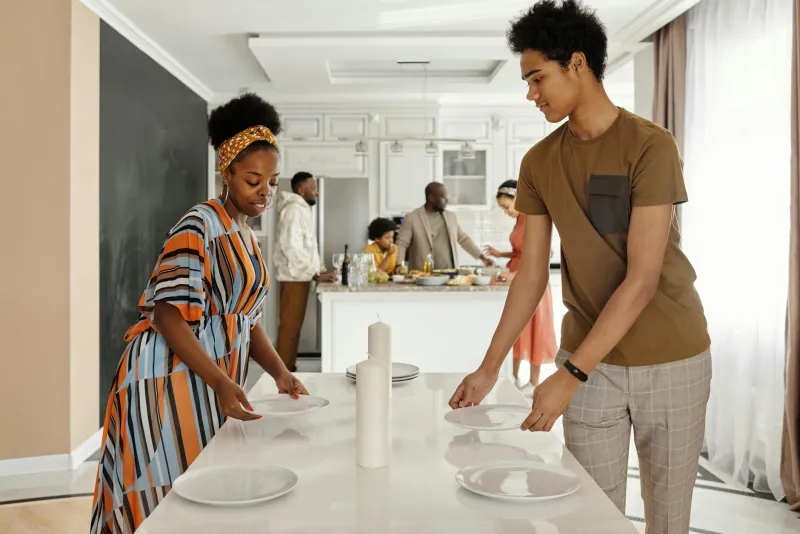
Picture this: It's 1975, and across America, kitchen timers are going off at exactly the same time. Not because anyone coordinated it, but because that's just when dinner happened. Six o'clock sharp, maybe 5:30 for the early birds, 6:30 for the late crowd. But the ritual was universal — mom called from the kitchen, dad folded his newspaper, kids abandoned their bikes in the driveway, and everyone gathered around a table set with actual plates.
No phones. No Netflix queued up on laptops. No individual meals based on dietary preferences or practice schedules. Just a family, sitting together, eating the same food at the same time.
That world is gone, and most of us never even noticed it disappearing.
When Dinner Was the Day's Main Event
In the 1960s and 70s, the family dinner wasn't just a meal — it was the organizing principle around which everything else revolved. Work schedules, after-school activities, even television programming bent to accommodate that sacred hour. The big three networks knew better than to put their best shows on during dinner time. Prime time started at 8 PM because that's when families were finally done eating and cleaning up.
Moms planned their entire day around getting dinner on the table at the right time. Grocery shopping happened on specific days. Meal prep started in the afternoon. The whole house smelled like pot roast or tuna casserole by 4 PM, building anticipation for the evening's main event.
Kids knew the rules without being told: when dinner was ready, you came immediately. No "five more minutes" or "let me finish this level." The family dinner table was where you learned about your parents' day, where homework struggles got discussed, where family decisions were made. It was democracy in action, with meatloaf.
The Slow Unraveling
The change didn't happen overnight. It crept in gradually, one compromise at a time. First came the microwave in the 1980s, making it possible to heat up individual portions whenever someone was hungry. Then cable TV gave us more viewing options, making it harder to agree on when to stop watching and come to dinner.
Two-career families became the norm, meaning dinner prep fell to whoever got home first — or whoever had the energy to cook after a full day of work. Kids' schedules exploded with activities that ran right through the traditional dinner hour. Soccer practice at 6 PM, piano lessons at 5:30, dance class that didn't end until 7.
Restaurants started staying open later and offering more takeout options. Drive-throughs multiplied. By the 1990s, you could grab dinner at 9 PM without anyone batting an eye. The rigid structure that once held American dinnertime together began to dissolve.
Today's Fragmented Food Culture
Now? The average American family eats together just three times per week, according to recent studies. And even those "together" meals often happen with devices present, everyone consuming both food and content simultaneously.
We eat in cars between activities. We order DoorDash to arrive exactly when our favorite show starts. We grab protein bars for breakfast, salads at our desks for lunch, and whatever's convenient for dinner. Food has become fuel rather than a social experience.
Kids eat chicken nuggets while parents have salads. Everyone has different dietary restrictions, preferences, and schedules. The idea of one person cooking one meal for the whole family feels almost quaint — like something from a Norman Rockwell painting.
What the Research Reveals
The scientists have been watching this transformation, and their findings are striking. Children who regularly ate family dinners in the 1970s and 80s showed better academic performance, lower rates of substance abuse, and stronger family bonds. They learned conversation skills, developed better relationships with their parents, and felt more secure in their family identity.
Today's kids are missing out on what researchers call "the dinner table effect" — that unique combination of routine, conversation, and shared experience that helped previous generations develop social skills and family connections.
Nutritionally, we're worse off too. When families ate together regularly, meals were more balanced, portions were more reasonable, and eating disorders were less common. The communal aspect of eating naturally regulated both what and how much people consumed.
The Cost of Convenience
We gained flexibility and lost ritual. We gained individual choice and lost shared experience. We gained efficiency and lost connection.
The modern American family can coordinate complex schedules, accommodate everyone's preferences, and eat exactly what they want when they want it. But we can't seem to sit down together for 30 minutes and talk about our day.
That loss is bigger than just missing out on pot roast and small talk. We lost a daily practice that taught us how to be together, how to listen, how to be part of something bigger than our individual wants and needs.
The Blink We All Missed
The family dinner table didn't disappear because we consciously decided we didn't need it anymore. It vanished gradually, one skipped meal at a time, one scheduling conflict at a time, one "let's just grab something quick" decision at a time.
Before we blinked, the ritual that once anchored American family life had quietly slipped away. And while we gained convenience and flexibility, we lost something that research now tells us was more valuable than we realized: the simple, powerful act of showing up for each other, every single day, at six o'clock sharp.