The Street That Raised Your Kids: When American Neighborhoods Were Extended Families
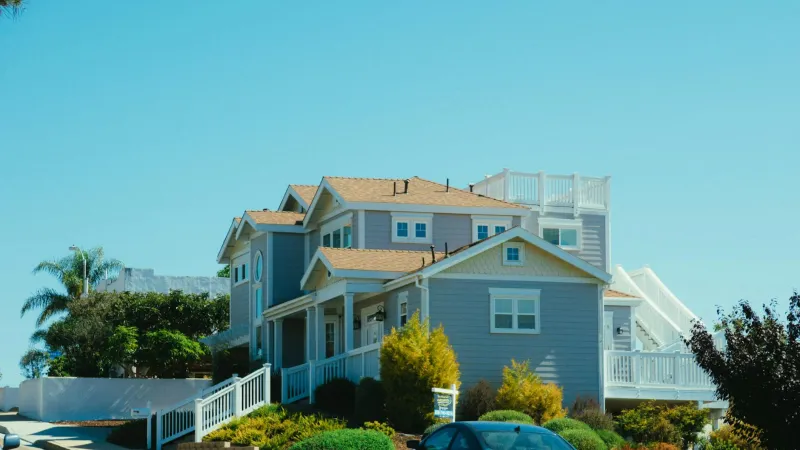
The Front Porch Republic
In 1980, Mrs. Henderson knew when you were sick before your own mother did. She could spot a fever from three houses down and would appear at your door with chicken soup and unsolicited advice about bundling up. The Johnsons next door had keys to your house, not because you'd formally exchanged them, but because someone needed to water plants when your family went to Disney World.
American neighborhoods once functioned as informal social networks where everyone's business was everyone's business, and somehow that felt comforting rather than intrusive. Kids walked to school in loose packs supervised by whichever parent happened to be looking out their kitchen window. Summer evenings meant half the block gathered in somebody's driveway, adults nursing beers while children played elaborate games of tag that spanned multiple yards.
The front porch wasn't just architectural decoration—it was command central for neighborhood life. People sat outside after dinner, waving to passersby, commenting on the weather, and gradually building the kind of relationships that made streets feel like communities.
The Great Indoor Migration
Today's suburban streets are eerily quiet. Walk through any middle-class neighborhood on a summer evening and you'll see closed garage doors, fenced backyards, and the blue glow of televisions through living room windows. The front porch has been replaced by the deck in the backyard, turning social spaces inward and private.
This shift didn't happen overnight. It was the result of dozens of small changes that each seemed reasonable in isolation. Air conditioning made it more comfortable to stay inside. Longer commutes meant less time for casual neighborly chat. Two-career families had less bandwidth for maintaining relationships with people they happened to live near.
The garage door opener might be the unsung villain of neighborhood decline. When families could drive straight from their cars into their houses without stepping outside, they lost hundreds of small opportunities for connection. The brief moment of getting out of the car in the driveway—where neighbors might wave from their yards or stop to chat—disappeared behind automatic doors.
Stranger Danger and the Death of Trust
Somewhere along the way, Americans became afraid of each other. The neighbor who once watched your kids while you ran to the grocery store became a potential threat. Parents who grew up running freely through neighborhood yards now drive their children to playdates with carefully vetted families.
This cultural shift toward suspicion has deep roots in changing media coverage, suburban design, and evolving parenting philosophies. But the result is neighborhoods where people live side by side for decades without developing meaningful relationships. The informal safety net of neighbors who looked out for each other has been replaced by security cameras and Ring doorbells.
Consider how we handle packages now. Amazon deliveries sit on doorsteps all day because we can't assume neighbors will bring them inside like they would have automatically done thirty years ago. We've traded casual trust for formal security systems, and everyone's life has become a little more isolated in the process.
The Economics of Community
Money plays a bigger role in this story than most people realize. When one parent could support a middle-class family, neighborhoods had more adults around during the day. Stay-at-home mothers formed informal networks that kept communities connected. They organized block parties, coordinated carpools, and maintained the social fabric that made neighborhoods feel like extended families.
As economic pressures pushed more families into dual-career arrangements, those daytime networks dissolved. The parent who once knew every kid on the block because they were home when school let out now commutes an hour each way and barely sees their own children during the week.
Suburban design evolved to match these changing lifestyles. New developments prioritized privacy over community, with larger lots, fewer sidewalks, and architectural features that minimized interaction between neighbors. The cul-de-sac replaced the grid pattern, creating isolated pods rather than connected streets.
What the Screens Took
Digital entertainment deserves special mention in the death of neighborhood culture. When families had three television channels and no internet, boredom drove people outside. Kids exhausted their indoor options quickly and spilled into yards and streets. Adults finished their evening shows and stepped onto porches because there wasn't much else to do.
Today's infinite entertainment options mean nobody has to be bored enough to seek out neighbors for company. Social media provides the illusion of connection without requiring the effort of maintaining relationships with people who live nearby. Why chat with Mrs. Henderson about her garden when you can scroll through Instagram and see perfectly curated gardens from around the world?
The irony is that we're more connected than ever to people thousands of miles away while becoming strangers to people who share our zip code. We know intimate details about college friends' vacation photos but don't know if the family next door is struggling with job loss or illness.
The Loneliness Tax
This neighborhood isolation comes with hidden costs. Emergency situations that once brought automatic help from neighbors now require expensive services. The babysitter who lived three houses down has been replaced by professional childcare that costs $15 an hour. The neighbor who would check on your house while you traveled has been replaced by house-sitting services and security companies.
More importantly, we've lost the informal support systems that once helped families weather difficult times. When someone got sick, lost a job, or faced family crisis, the neighborhood rallied with casseroles, childcare, and emotional support. Today's families face these challenges more alone, even when surrounded by neighbors who might be willing to help if they only knew what was needed.
Rebuilding What We Lost
Some communities are recognizing what's been lost and working to rebuild neighborhood connections. Front porch initiatives encourage people to spend time in visible outdoor spaces. Neighborhood apps like Nextdoor attempt to recreate digital versions of the casual information sharing that once happened over backyard fences.
But technology can't fully replace the organic relationships that formed when people had fewer alternatives to local community. The neighbor relationships that sustained previous generations grew out of necessity and proximity, strengthened by repeated casual interactions and shared experiences.
The challenge isn't just individual—it's structural. Rebuilding neighborhood community requires changes to how we design suburbs, structure work schedules, and prioritize local relationships over distant connections. It means trading some privacy for community, some convenience for connection.
Until then, American neighborhoods remain collections of houses rather than communities of neighbors, leaving families more isolated than any generation in recent memory, surrounded by people they'll never really know.