Three Months of Work, Four Years of College: When Summer Jobs Actually Mattered
The Summer That Paid for Everything
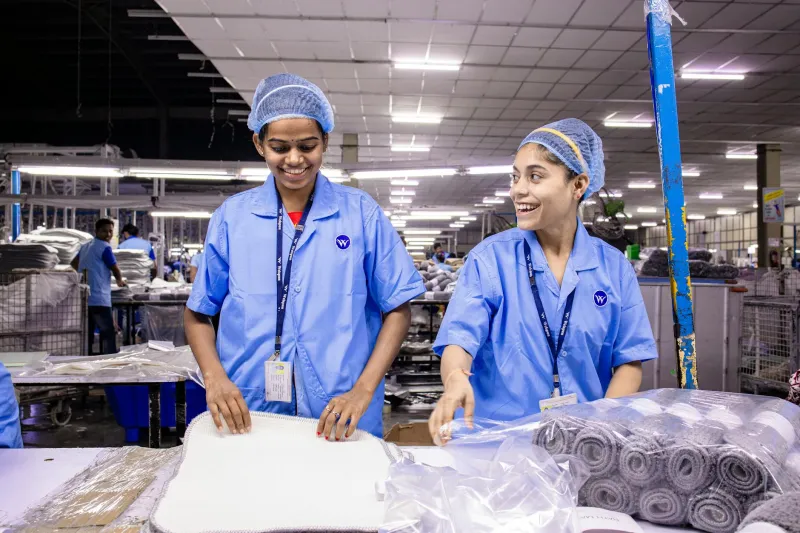
In the summer of 1978, Mike Kowalski worked the overnight shift at a General Motors assembly plant in Flint, Michigan. He was nineteen, between his sophomore and junior years at Michigan State, and every night from 11 PM to 7 AM, he installed door panels on Buicks rolling down the line. The work was monotonous, loud, and physically demanding.
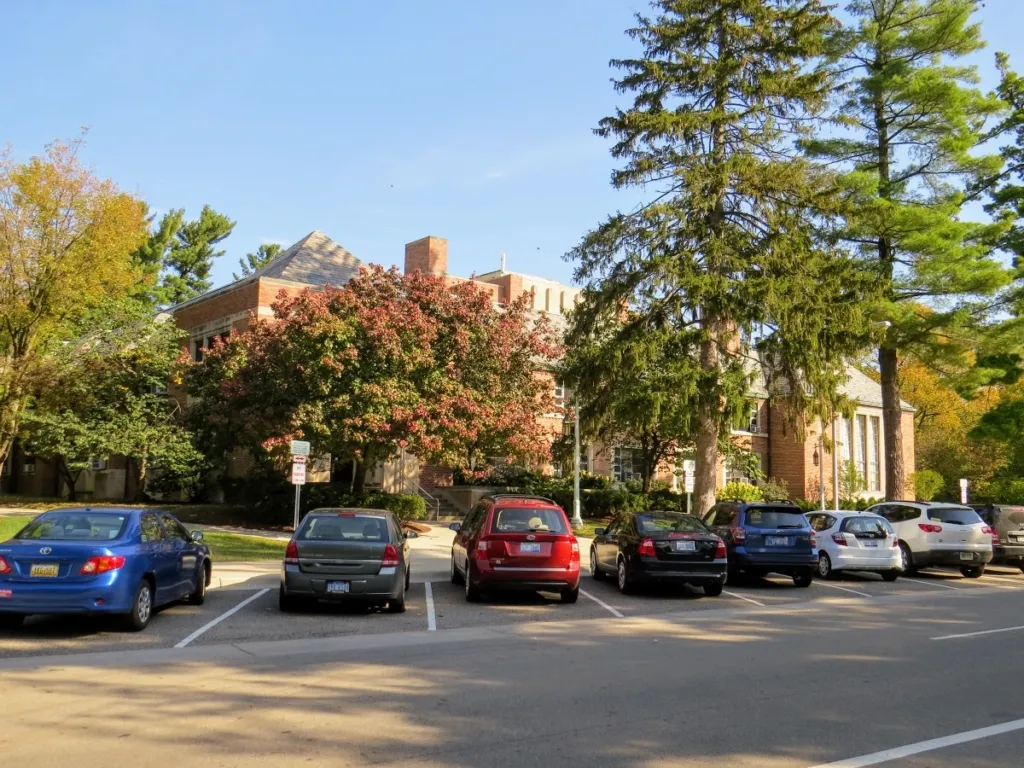 Photo: Michigan State, via livingnewdeal.org
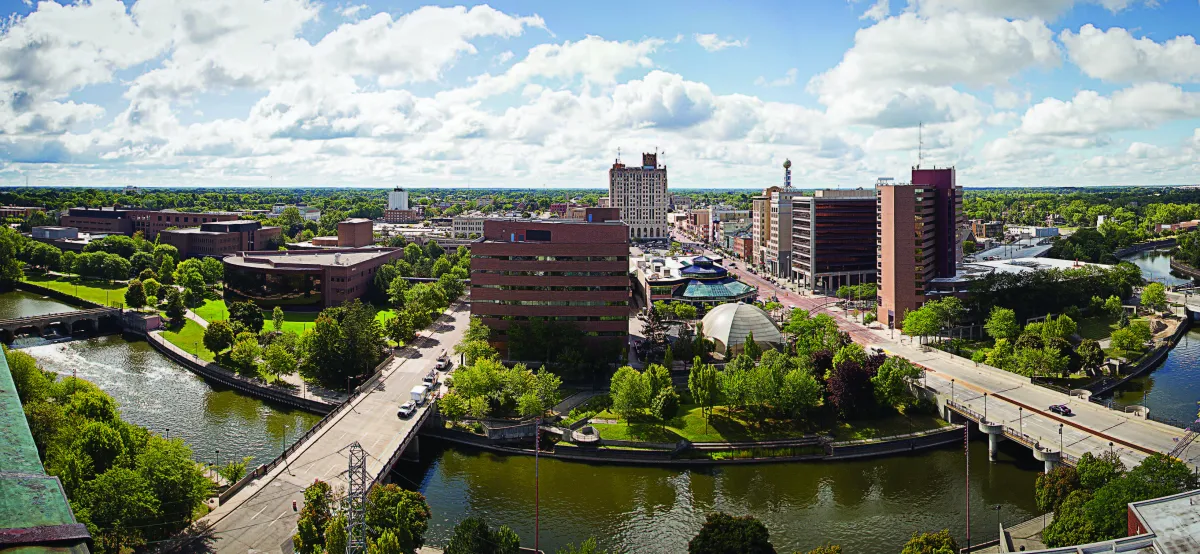 Photo: Flint, Michigan, via themunicipal.com
 Photo: General Motors, via www.underconsideration.com
It was also incredibly lucrative for a college student.
By Labor Day, Mike had earned $4,200 — enough to cover his entire junior year tuition ($1,200), room and board ($1,800), books ($300), and still have $900 left over for spending money. Three months of summer work had purchased twelve months of college education, with money to spare.
Mike's situation wasn't unusual. Across America, college students were funding their educations through summer employment at factories, construction sites, resorts, and municipal jobs that paid union wages to temporary workers. The math was straightforward: work hard for three months, study hard for nine months, repeat until graduation.
The Golden Ratio
The economics that made Mike's summer possible seem almost fictional today. In 1978, the average annual tuition at a four-year public university was $1,218. The federal minimum wage was $2.65 per hour, but summer jobs at unionized workplaces often paid $8-12 per hour — real money that translated into real purchasing power.
A student working full-time for twelve weeks at $10 per hour would earn $4,800 before taxes. After covering tuition, room, and board, they'd have enough left over for a used car, spring break, or a healthy savings account. The relationship between work and education made intuitive sense: if you were willing to work, you could afford to learn.
This golden ratio extended beyond just tuition costs. Textbooks cost $15-25 each, not $300. Dorm rooms were spartan but affordable. Meal plans covered actual meals, not gourmet dining experiences. The entire ecosystem of higher education was calibrated to a scale that summer employment could realistically support.
The Factory Floor University
Those summer jobs offered more than just paychecks — they provided education of a different sort. Mike learned to work alongside men who'd been building cars for decades, picking up lessons about craftsmanship, work ethic, and the dignity of manual labor that no classroom could teach.
The temporary nature of student employment created unique dynamics. Seasoned workers took pride in mentoring college kids, sharing stories about their own children's educations and offering practical advice about everything from personal finance to career choices. Students gained perspective on different ways of living and working, understanding that intelligence and worth weren't measured solely by academic achievement.
These jobs also connected students to their local economies in tangible ways. They worked alongside community members, earned local wages, and spent their money in local businesses. The relationship between higher education and working-class communities felt symbiotic rather than extractive.
When Work Meant Work
Summer employment in the 1970s and early 1980s was genuinely temporary and genuinely lucrative. Companies hired students for specific seasons, paid them well, and expected them to return to school in the fall. The arrangement worked because both sides understood the deal: students provided reliable labor during peak periods, and employers provided wages that made education financially viable.
Many of these jobs were physically demanding but intellectually straightforward. Students could earn good money without needing specialized skills, prior experience, or unpaid internships to qualify. A strong back and willingness to show up on time were often sufficient qualifications for employment that could fund an entire year of education.
The work itself had clear boundaries. When your shift ended, you went home. When summer ended, you went back to school. No one expected you to be available 24/7 or to treat a temporary job as a career-building opportunity. Work was work, school was school, and the two remained distinct.
The Gig Economy Reality
Today's summer employment landscape bears little resemblance to Mike's experience. The average annual tuition at a four-year public university now exceeds $10,000 for in-state students. Room and board adds another $12,000. Books and supplies can easily cost $1,500. A full year of college education now requires roughly $25,000 — more than many full-time workers earn in a year.
Meanwhile, the summer jobs that once paid union wages have largely disappeared. Manufacturing employment has declined, construction work has become more specialized, and many seasonal positions have been replaced by year-round, part-time employment that offers lower wages and fewer hours.
Today's college students are more likely to work at retail chains, restaurants, or in the gig economy — driving for Uber, delivering food, or picking up freelance projects online. These jobs offer flexibility but rarely provide the concentrated earning power that could fund a year of education.
The Internship Trap
Perhaps the cruelest irony is that many of today's most valuable summer opportunities are unpaid internships. Students compete fiercely for positions that provide experience and networking opportunities but no income. The logic has flipped entirely: instead of summer work funding education, students now often pay for the privilege of working through unpaid internships that require them to cover their own housing and living expenses.
This shift has created a system where summer opportunities increasingly favor students from wealthy families who can afford to work for free. The democratizing effect of summer employment — where any student willing to work could fund their education — has been replaced by a system that reinforces existing economic advantages.
Even paid internships rarely offer the earning potential of traditional summer jobs. A prestigious internship at a Fortune 500 company might pay $15-20 per hour, which sounds generous until you calculate that twelve weeks of such work yields about $7,200 before taxes — barely enough to cover one semester's expenses at many universities.
The Debt Equation
The transformation of summer work has contributed to the student debt crisis in ways that extend beyond simple mathematics. When Mike worked his summer at GM, he understood exactly what his labor was worth and how it translated into educational opportunity. The relationship between work and reward was direct and comprehensible.
Today's students face a more complex and often discouraging equation. Summer employment, even at above-minimum wage, can't meaningfully reduce the cost of education. Many students work year-round while attending classes, not to eliminate debt but to minimize it. The clear seasonal rhythm of work and study has been replaced by a constant juggling act between earning and learning.
This shift has changed how students experience both work and education. The confident focus that came from knowing your summer work had secured your academic year has been replaced by persistent financial anxiety that can distract from learning and personal development.
What We Lost
The disappearance of economically viable summer employment represents more than just a financial challenge — it's changed the fundamental relationship between work, education, and opportunity in America. Students once gained confidence from knowing they could fund their own educations through honest labor. That self-reliance fostered independence and pride that extended far beyond college years.
The mentorship and cross-class relationships that developed in summer workplaces provided social education that complemented academic learning. Students understood how their educations fit into broader economic realities and developed respect for different forms of work and knowledge.
Most importantly, the system created a clear pathway from effort to opportunity. Students who were willing to work hard during summers could focus on learning during the school year, graduating with degrees instead of debt and entering adulthood with confidence rather than financial anxiety.
The summer job that paid for college wasn't just about money — it was about the promise that in America, education remained accessible to anyone willing to work for it. That promise, like so many others from that era, has quietly slipped away, leaving today's students to navigate a more complex and expensive path to the same destination.