When Thursday at Eight Meant Something: The Death of Appointment Television
Every Thursday evening at 7:55 PM, the Kowalski family would settle into their living room with the precision of a military operation. Dad claimed his recliner, Mom took the left side of the couch, and the kids sprawled on the carpet with bowls of popcorn. At exactly 8:00 PM, NBC's iconic chimes would announce the start of "Must See TV," and for the next four hours, the outside world ceased to exist.
This wasn't just entertainment—it was a weekly ritual shared by 30 million other American families doing exactly the same thing at exactly the same time. If you missed "Cheers" or "The Cosby Show" or "Seinfeld," you missed it. There were no second chances, no pause buttons, no streaming libraries. Television happened when television happened, and the entire country synchronized their lives around that immutable fact.
Today, the idea seems almost primitive. Why would anyone organize their life around a television network's schedule when they could watch anything, anytime, anywhere?
The Sacred Schedule
Before cable television fractured the audience and long before streaming atomized it completely, America operated on a shared temporal rhythm dictated by three major networks. Monday meant "Monday Night Football." Tuesday brought "Happy Days." Wednesday delivered "The Facts of Life." Each day of the week had its own character, its own anticipated pleasures, its own cultural significance.
Families planned dinner around these schedules. Restaurants noticed distinct patterns in their weeknight traffic. Phone calls were timed to avoid favorite shows. The entire social fabric of American evening life was woven around the assumption that at certain times, most people would be doing the same thing: watching television.
The TV Guide wasn't just a magazine—it was the most important publication in American households. Families would gather around the new issue each week, circling shows in pen, debating scheduling conflicts, negotiating who controlled the remote during prime viewing hours. The act of planning a week's television viewing was itself a form of entertainment.
When Missing an Episode Actually Mattered
In the appointment television era, every episode was an event. If you missed the season finale of "Dallas," you couldn't catch up online or wait for reruns. You had to piece together what happened from playground conversations and office water cooler discussions. This scarcity created genuine cultural moments where entire populations shared the same experience simultaneously.
The "Who Shot J.R.?" phenomenon of 1980 would be impossible today. The episode drew 83 million viewers—more than half the country—who all discovered the answer at exactly the same moment. The collective gasp, the immediate phone calls, the next-day discussions—these were national experiences that required everyone to be watching at the same time.
Serial dramas operated differently under these constraints. Writers couldn't assume viewers would binge-watch previous episodes to catch up. Each show had to function as both continuation and introduction, accessible to regular viewers while welcoming newcomers. This created a particular rhythm of storytelling that has largely disappeared.
The Family Democracy of the Remote Control
The single television set in most American homes created a nightly negotiation that shaped family dynamics for decades. Parents might claim ultimate authority, but in practice, television viewing was often the most democratic institution in the household. Children learned to build coalitions, make compromises, and accept defeats. The remote control wasn't just a device—it was a scepter of domestic power that rotated through the family hierarchy.
These negotiations created shared viewing experiences that wouldn't happen today. Dad might grudgingly watch "Little House on the Prairie" because it was Mom's favorite. Kids might endure the evening news because dinner wasn't finished. The compromise viewing that resulted from having one screen and multiple preferences introduced family members to shows they never would have chosen independently.
The Water Cooler Nation
Appointment television created a shared cultural vocabulary that extended far beyond entertainment. Monday morning office conversations revolved around what everyone had watched the night before. Television provided common reference points that crossed class, regional, and generational lines. When someone made a joke about Fonzie or quoted Archie Bunker, they could assume their audience would understand.
This shared experience was particularly powerful for children. Kids who watched "Mister Rogers' Neighborhood" at the same time every day joined a national community of viewers learning the same lessons, singing the same songs, and developing the same cultural touchstones. Saturday morning cartoons weren't just entertainment—they were a weekly gathering of America's children around a shared electronic campfire.
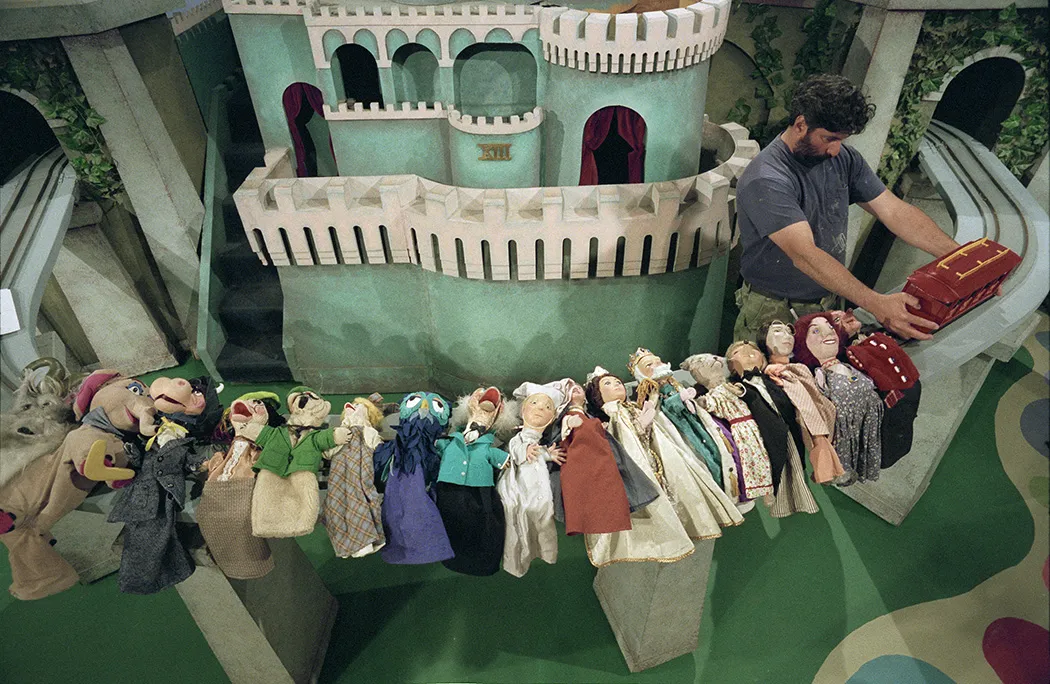 Photo: Mister Rogers' Neighborhood, via www.misterrogers.org
The Collapse of Collective Viewing
The erosion began with the VCR, which allowed time-shifting for the first time. Suddenly, "Thursday at eight" could become "Friday at six" or "Sunday at noon." The shared temporal experience started fragmenting, though most people still watched shows relatively close to their original air dates.
Cable television accelerated this dissolution by multiplying viewing options. Instead of choosing between three networks, families suddenly had dozens of channels. The mass audience that once gathered for a single show dispersed across specialized programming designed for specific demographics.
But it was streaming services that delivered the final blow to appointment television. When Netflix introduced binge-watching as a standard practice, they didn't just change how people consumed shows—they eliminated the shared timing that had created collective cultural experiences. "Orange Is the New Black" might be watched by millions of people, but they're watching it at millions of different times.
What We Lost When We Gained Control
The death of appointment television gave viewers unprecedented control over their entertainment experience. We can pause, rewind, skip episodes, and watch entire seasons in single sittings. We can discover obscure shows from decades past, explore international programming, and customize our viewing to match our exact preferences.
But we lost something irreplaceable: the shared experience of cultural simultaneity. No show today can create the cultural moment that "The Tonight Show Starring Johnny Carson" generated nightly for thirty years. No series finale will ever match the 106 million viewers who watched the last episode of "MAS*H" together.
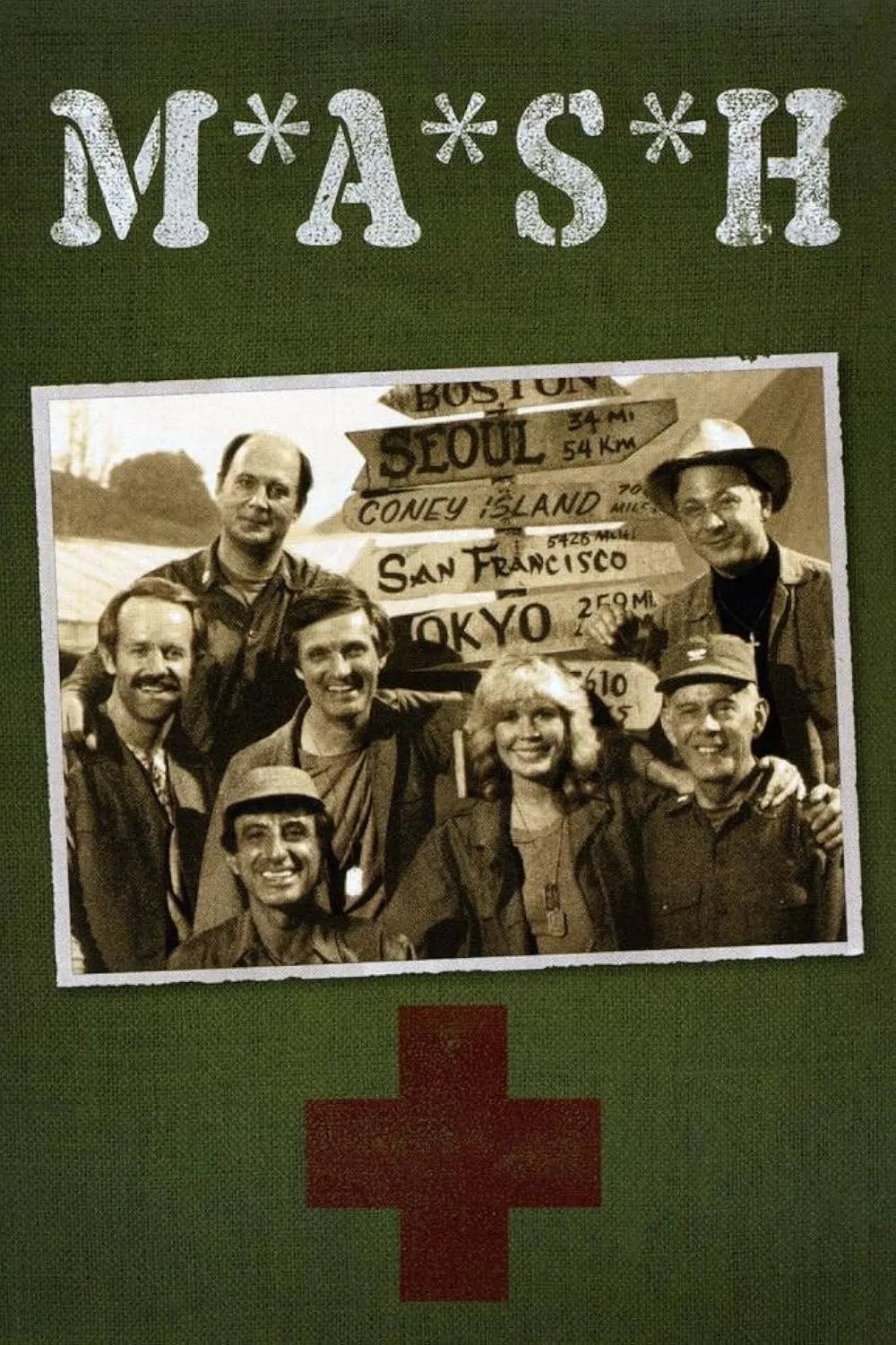 Photo: MASH, via m.media-amazon.com
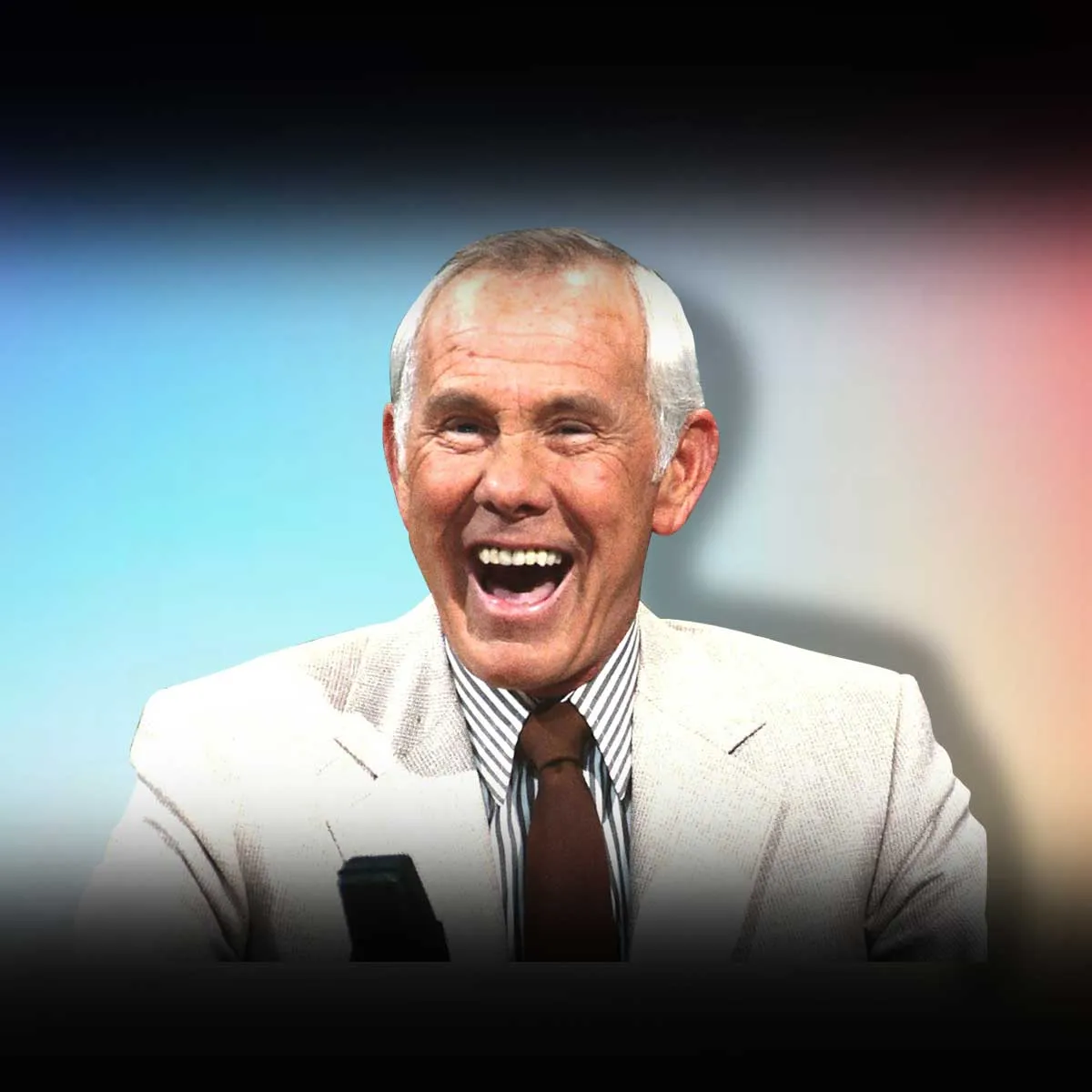 Photo: Johnny Carson, via nationaltoday.com
We also lost the particular pleasure of anticipation. When your favorite show aired once a week at a specific time, each episode was an event to look forward to. The week between episodes allowed for speculation, discussion, and genuine suspense. Binge-watching eliminates this rhythm, replacing anticipation with immediate gratification.
The Algorithm vs. The Schedule
Today's viewing recommendations come from algorithms that analyze our past behavior and predict our future preferences. This creates highly personalized entertainment experiences but eliminates the serendipitous discovery that appointment television provided. When you had to watch whatever was on, you occasionally discovered shows you never would have chosen.
The old television schedule was curated by programmers who understood audience flow and viewer psychology. They knew that people watching a comedy at 8:00 PM might be ready for drama at 9:00 PM. This human curation created viewing experiences that were crafted, not just consumed.
Before the Infinite Library
Before the blink of streaming revolution, American families gathered around television schedules like they were gathering around campfires. The shows were just the excuse—what mattered was the shared experience of watching something together, at the same time as millions of other families across the country.
That world of appointment television seems impossibly restrictive to digital natives who have never known entertainment scarcity. But for those who lived through it, the memory of "Must See TV" carries a particular warmth: the comfort of knowing that whatever was happening in your living room was happening in living rooms across America, all tuned to the same channel, all sharing the same moment.