Twenty-Four Volumes of Wonder: When Knowledge Lived on Your Bookshelf
The Doorbell That Changed Everything
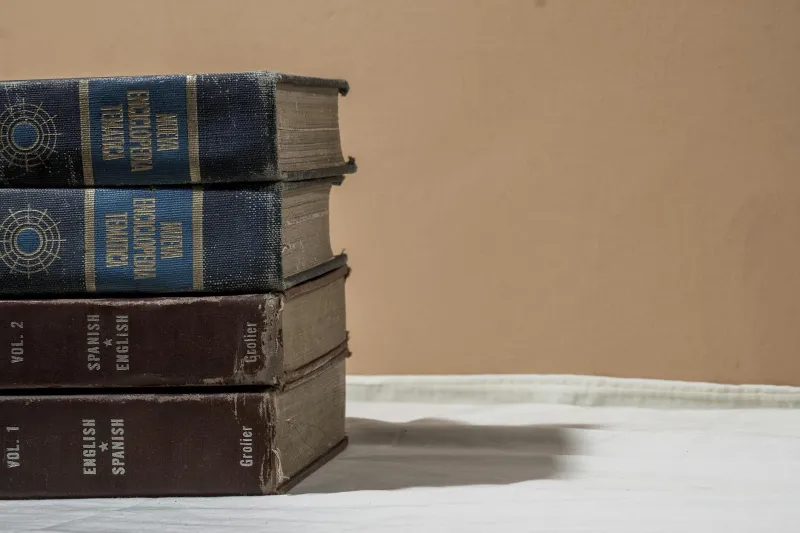
The Britannica salesman arrived on a Tuesday evening in 1973, carrying a leather sample case and the promise of the world's knowledge for $19.95 a month. My parents, like millions of other American families, signed the payment plan that would bring twenty-four red volumes into our living room — a physical monument to human learning that weighed sixty pounds and commanded respect.
This wasn't just furniture. This was the internet, forty years early.
The Weight of Knowledge
Before Google, knowledge had physical presence. The Encyclopedia Britannica, World Book, or Collier's — whichever set your family chose — occupied a place of honor in the living room. These weren't books you read cover to cover; they were universes you explored one curiosity at a time.
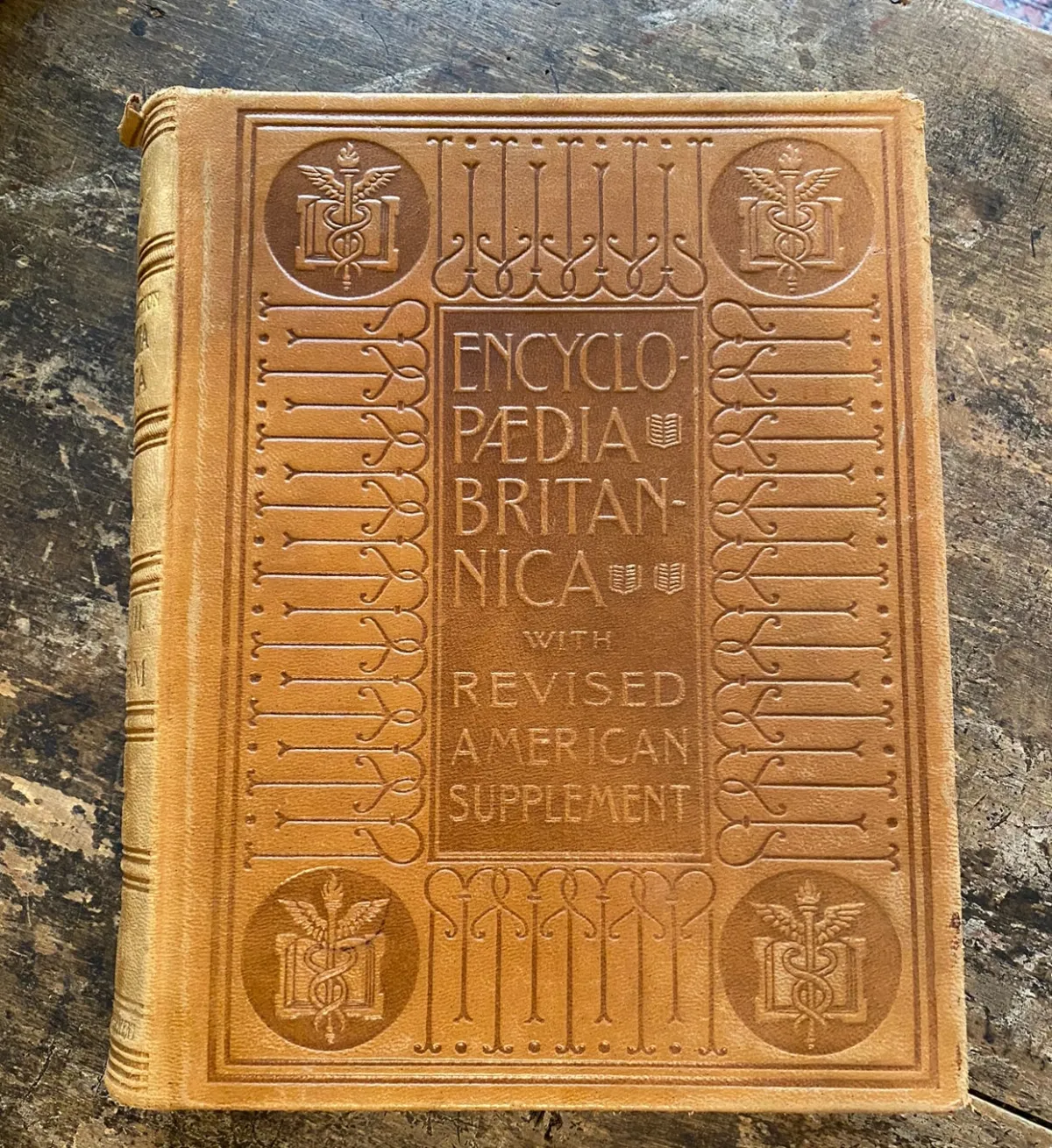 Photo: Encyclopedia Britannica, via 127956600.cdn6.editmysite.com
Looking something up was a commitment. You'd pull down Volume M-N, feeling its heft, hearing the spine crack as it opened. The pages were thin but substantial, printed on paper that felt important. And here's what Google can't replicate: you never found just what you were looking for.
The Art of Accidental Discovery
You'd start researching the Civil War for a school report and somehow end up reading about the mating habits of arctic foxes. The encyclopedia rewarded wandering minds. Cross-references led down rabbit holes. "See also" suggestions opened entirely new worlds. You'd spend an hour learning about subjects you never knew existed.
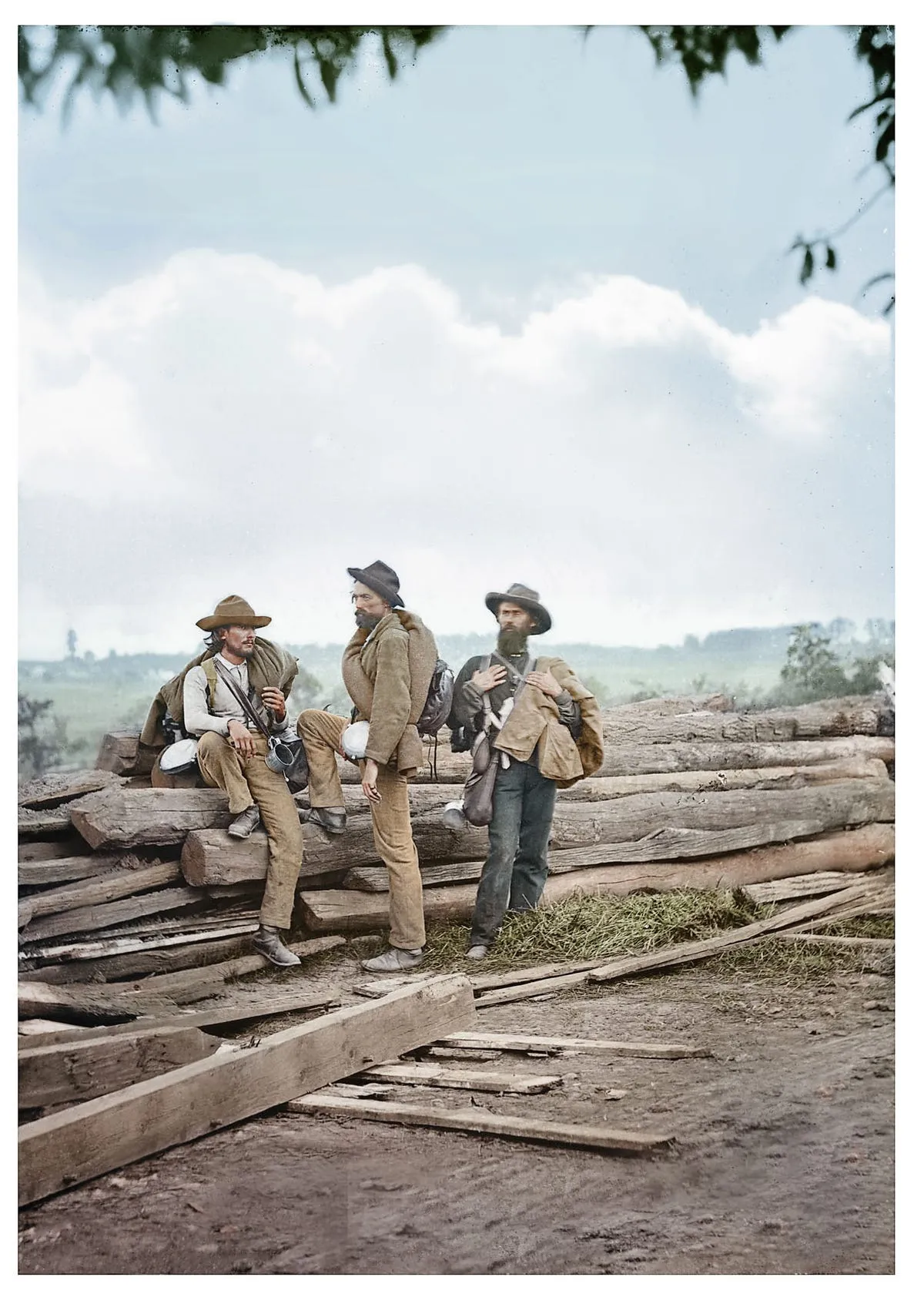 Photo: Civil War, via static4.businessinsider.com
This wasn't inefficiency — it was serendipity by design. Encyclopedia editors understood that knowledge connects to knowledge. They built bridges between ideas, encouraging readers to make unexpected connections. A simple question about baseball might lead to physics, to mathematics, to philosophy.
The Democracy of Information
Owning an encyclopedia was a middle-class aspiration, like a color television or central air conditioning. Families saved for years or committed to payment plans that stretched across multiple Christmases. The investment reflected a belief that knowledge belonged in the home, accessible to every family member.
Children grew up understanding that answers lived on the bookshelf. Homework required hiking to the living room, not clicking a mouse. Parents settled dinner table debates by pulling down the appropriate volume. The encyclopedia was the family's external brain, democratically available but requiring physical effort to access.
The Ritual of Research
Using an encyclopedia was a multi-step process that modern searchers would find impossibly cumbersome. First, you'd identify which volume contained your subject. Then you'd navigate the alphabetical system, scanning guide words at the top of each page. Finally, you'd locate your entry and begin reading — not skimming, but actually reading, because the next opportunity might not come soon.
This friction served a purpose. The effort required to look something up made the information feel earned. You'd remember facts discovered through physical searching better than facts delivered instantly. The process of research was part of the learning.
When Updates Came Once a Year
Modern information updates constantly. Wikipedia edits happen in real-time. News feeds refresh every second. But encyclopedias lived in frozen time, their facts locked in place until the next edition arrived.
This created an interesting relationship with knowledge. Families understood that their encyclopedia represented the world as it existed when the books were printed. Current events required newspapers and magazines. But for established facts — historical dates, scientific principles, geographical data — the encyclopedia was authoritative and stable.
The annual yearbook supplement was a family event. Parents would ceremoniously add the new volume to the set, and children would eagerly read about the year's developments in technology, politics, and culture.
The End of an Era
Encarta began the encyclopedia's decline in the 1990s, offering digital convenience on CD-ROM. Wikipedia delivered the final blow in the 2000s, providing free, constantly updated information that made printed encyclopedias seem quaint. Britannica stopped printing in 2012, ending a 244-year run.
The practical advantages of digital information are undeniable. Modern search engines provide instant access to more information than any printed set could contain. Updates happen in real-time. Multimedia content enhances understanding. The barriers to access have largely disappeared.
What Disappeared with the Books
But something was lost in the transition from bookshelf to browser. The serendipity of accidental discovery. The satisfaction of physical exploration. The shared family reference point that everyone consulted.
Google provides answers to specific questions but doesn't encourage wandering. Wikipedia links between articles, but the browsing experience lacks the tactile pleasure of turning pages. Digital search optimizes for efficiency, not exploration.
The modern internet rewards knowing what you want to know. Encyclopedias rewarded not knowing what you wanted to know — and discovering it anyway.
The Attention Economy
Encyclopedias demanded sustained attention. You couldn't skim an article about the Roman Empire; you had to commit to reading several pages of dense text. This created a different relationship with information — deeper, more contemplative, more likely to stick.
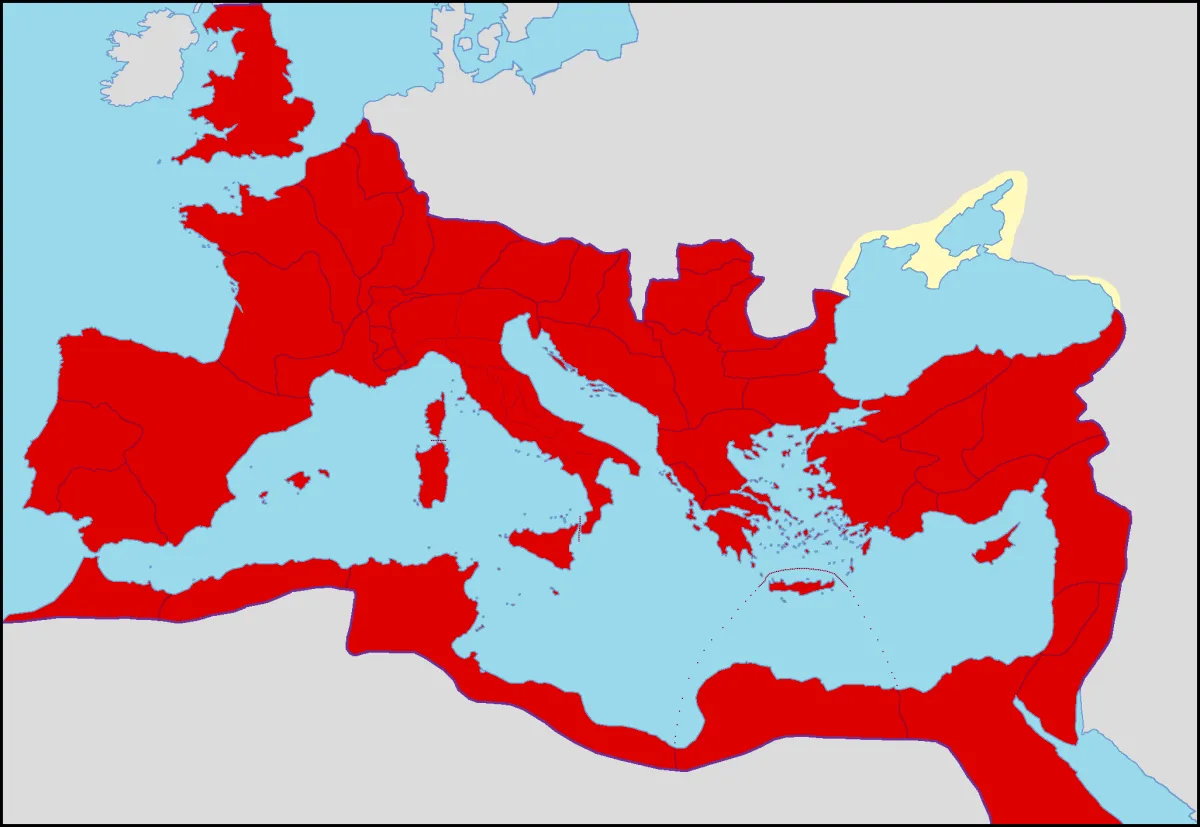 Photo: Roman Empire, via upload.wikimedia.org
Today's information environment optimizes for quick consumption. Search results prioritize brevity. Attention spans fragment across multiple tabs and notifications. We consume more information than ever but retain less of it.
Nostalgia vs. Progress
None of this argues for returning to printed encyclopedias. The democratization of information through digital technology has genuine benefits. Students in rural schools can access resources that were once available only to families who could afford encyclopedia sets. Language barriers dissolve through instant translation. Multimedia content makes complex concepts more accessible.
But recognizing progress doesn't require forgetting what we've lost. The encyclopedia represented a different philosophy of learning — patient, contemplative, designed for discovery rather than efficiency.
The Bookshelf Legacy
Some families still maintain encyclopedia sets, not for practical use but as physical reminders of how knowledge once lived in American homes. The books gather dust but retain their dignity, monuments to a time when information had weight, when curiosity required commitment, when learning was a journey rather than a destination.
Children who grew up with encyclopedias remember the pleasure of unexpected discovery, the satisfaction of following cross-references into unknown territory, the authority of information that came bound in leather and backed by scholarly reputation.
The Search for Serendipity
The challenge now is recreating that sense of wonder in a digital world optimized for efficiency. Some apps and websites try to encourage exploration, but they're fighting against platforms designed to deliver exactly what users request and nothing more.
Perhaps the solution isn't technological but behavioral — deliberately choosing to wander, to follow tangents, to value the journey as much as the destination. The encyclopedia's greatest gift wasn't the information it contained but the curiosity it encouraged.
The world's knowledge still exists, more accessible than ever. But the art of stumbling onto it, of discovering connections we never thought to seek — that requires the kind of patient exploration that twenty-four red volumes once made inevitable.