When America Slept with Windows Open: The Vanishing Trust of Unlocked Doors
The Screen Door Summer
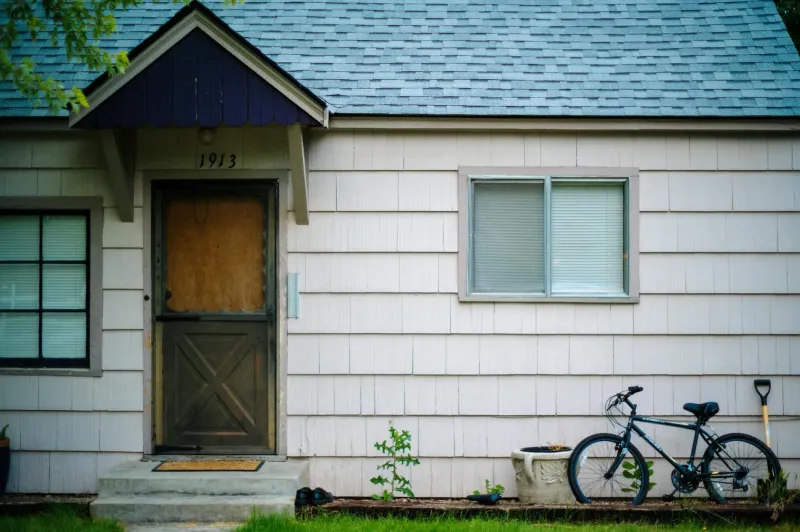
Every evening in 1962, my grandmother would prop open the front door of her Cleveland bungalow, leaving only the screen door between her family and the world. The house breathed with the neighborhood — kids' voices carried in with the breeze, lawn mowers hummed their suburban lullaby, and anyone could walk up to chat through the mesh.
This wasn't carelessness. This was America.
For most of the 20th century, locked doors were for cities, not suburbs. Rural communities and small towns operated on a handshake economy of trust that extended to the most basic level: your home. The phrase "we never locked our doors" wasn't nostalgia — it was standard operating procedure.
The Geography of Trust
In post-war suburban America, unlocked doors were as common as station wagons and backyard barbecues. Families routinely left keys under doormats, not as emergency backup but as daily practice. Kids came and went through neighbors' houses like they were extensions of their own homes.
This openness wasn't universal — urban areas had always been more cautious, and certain neighborhoods knew better than to trust strangers. But across vast swaths of middle America, the default setting was unlocked, and that assumption shaped everything from architecture to social interaction.
Houses were built with this trust in mind. Front porches invited conversation. Windows opened wide without security bars. Garages stayed open all day while families went about their business. The physical design of American homes reflected a society that believed neighbors were allies, not threats.
The Economics of Openness
The home security industry barely existed before the 1970s. Locksmiths were for emergencies, not prevention. Hardware stores sold simple door knobs, not deadbolt systems. The idea of paying monthly fees for alarm monitoring would have seemed absurd to families who couldn't imagine needing electronic protection from their own communities.
Insurance companies didn't require security systems. Police departments didn't have home security divisions. The Consumer Reports buying guides didn't include sections on door reinforcement or window locks. America was saving billions of dollars annually by operating on trust instead of suspicion.
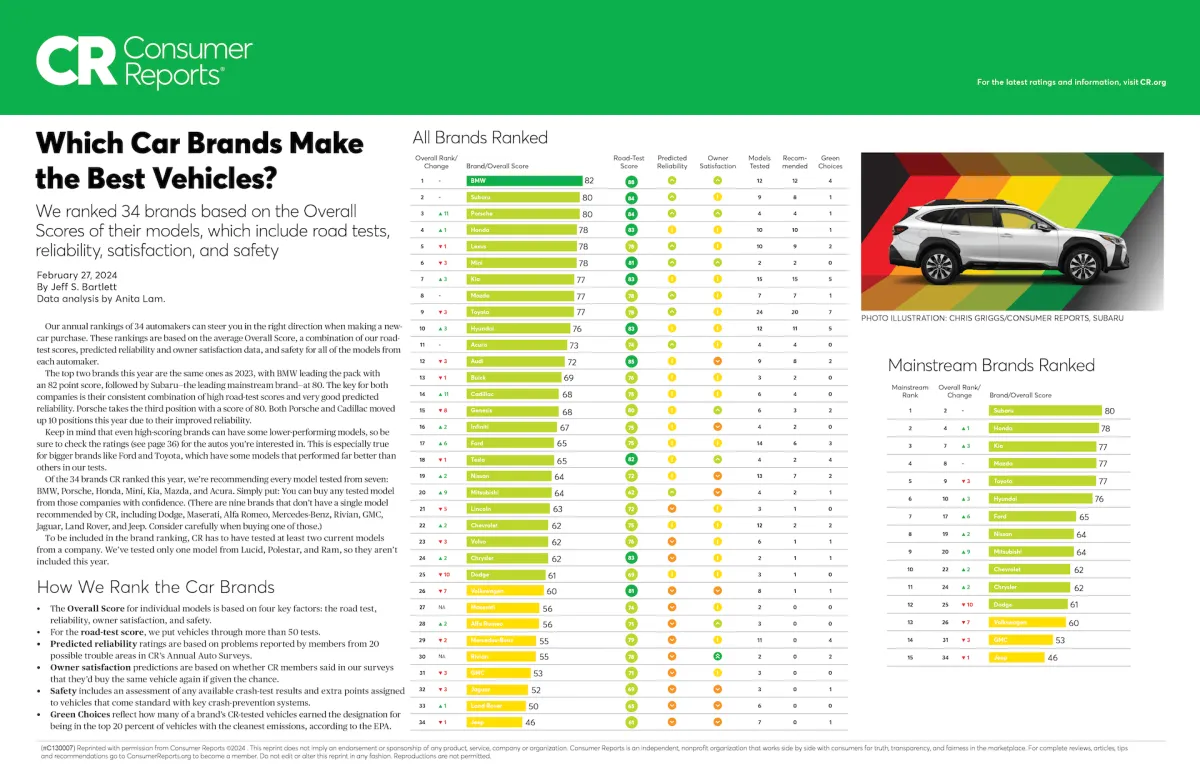 Photo: Consumer Reports, via di-sitebuilder-assets.s3.amazonaws.com
When Everything Changed
The shift wasn't sudden, but it was dramatic. Urban crime rates climbed through the 1960s and 70s. Television news began leading with local crime stories. Suburban families who had never worried about break-ins started double-checking their locks.
The tipping point came differently for different communities, but it came everywhere eventually. A break-in two streets over. A news story about home invasions. A neighbor installing a security system "just to be safe." Once the first family on the block locked up, the psychology of the entire neighborhood changed.
The New Fortress America
Today's American home is a fortress that would baffle our grandparents. Multiple deadbolts. Security cameras monitoring every angle. Motion sensors. Smart locks controlled by phones. Ring doorbells that record every visitor. Some suburban homes have more security technology than banks had in 1970.
The average American family now spends over $600 annually on home security — an entire industry built on the assumption that neighbors are potential threats. Children grow up understanding that doors stay locked, windows stay closed, and strangers are dangerous until proven otherwise.
What the Numbers Say
The irony is that property crime rates have actually fallen dramatically since the 1990s. Break-ins are less common now than they were when our grandparents left their doors unlocked. Yet our perception of danger has increased, and our security measures have multiplied.
Part of this disconnect comes from media coverage that makes rare crimes feel common. Part comes from suburban isolation that makes neighbors feel like strangers. But part reflects a genuine change in how Americans relate to their communities.
The Social Cost of Security
Locked doors do more than keep criminals out — they keep neighbors at a distance. The casual interactions that built community trust have been engineered out of daily life. Kids can't wander freely between houses. Neighbors can't check on each other without formal invitation.
The screen door conversations that once knitted neighborhoods together have been replaced by Ring doorbell footage and NextDoor app complaints. We know more about distant crimes than local kindnesses. Our homes are safer, but our communities are more fragmented.
The Trust Paradox
Were things actually safer when doors stayed unlocked? In some ways, yes — lower crime rates, stronger community bonds, informal neighborhood watch systems. But the safety came from social cohesion that's harder to maintain in today's mobile, diverse, digitally connected world.
The America of unlocked doors was also more homogeneous, more economically equal, and more socially constrained. Trust was easier when everyone looked similar, earned similar wages, and shared similar values. Today's security measures partly reflect the challenges of building trust across greater differences.
Finding Balance
Some communities are trying to recapture elements of the unlocked door era. Neighborhood apps aim to rebuild local connections. Front porch movements encourage architectural openness. Community gardens and block parties attempt to recreate casual interaction.
But these efforts work against powerful forces: economic inequality, social mobility, digital isolation, and media-driven fear. The infrastructure of trust that supported unlocked doors took generations to build and can't be easily reconstructed.
The Door We Can't Reopen
The unlocked door wasn't just about home security — it was a symbol of social trust that extended to every aspect of American life. When we started locking our doors, we began locking out more than burglars. We locked out the assumption that strangers meant well, that communities would self-police, that neighbors were extended family.
Modern security systems can protect our property, but they can't restore the social fabric that made protection seem unnecessary. The screen door summer is over, and no amount of smart home technology can bring back the peace of mind that came from trusting everyone around you.
Some doors, once closed, don't reopen easily.