When Cars Were Just Cars: The Death of the Simple Family Hauler
The Honest Workhorse
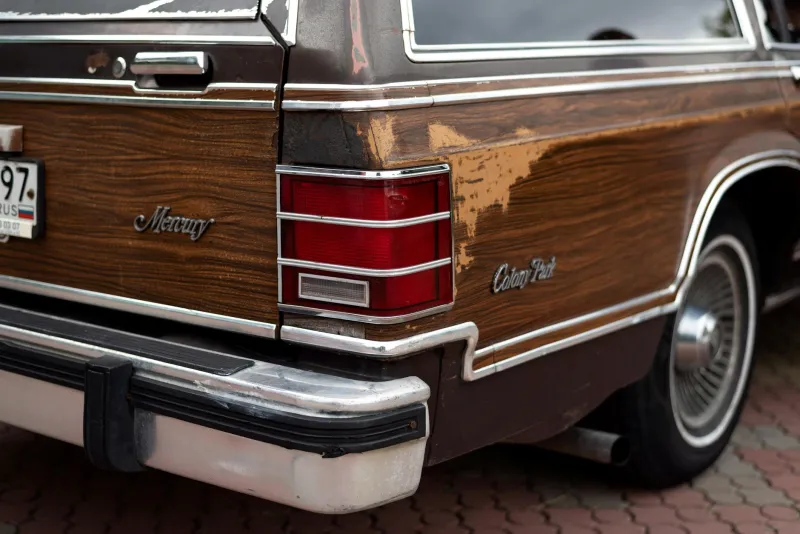
The 1982 Chevrolet Caprice Classic Estate wagon didn't pretend to be anything other than what it was: a large box on wheels designed to haul families and their accumulated chaos from place to place. It had fake wood paneling that fooled no one, seats that could accommodate eight people in varying degrees of comfort, and a cargo area spacious enough for camping gear, hockey equipment, and the family dog — sometimes all at once.
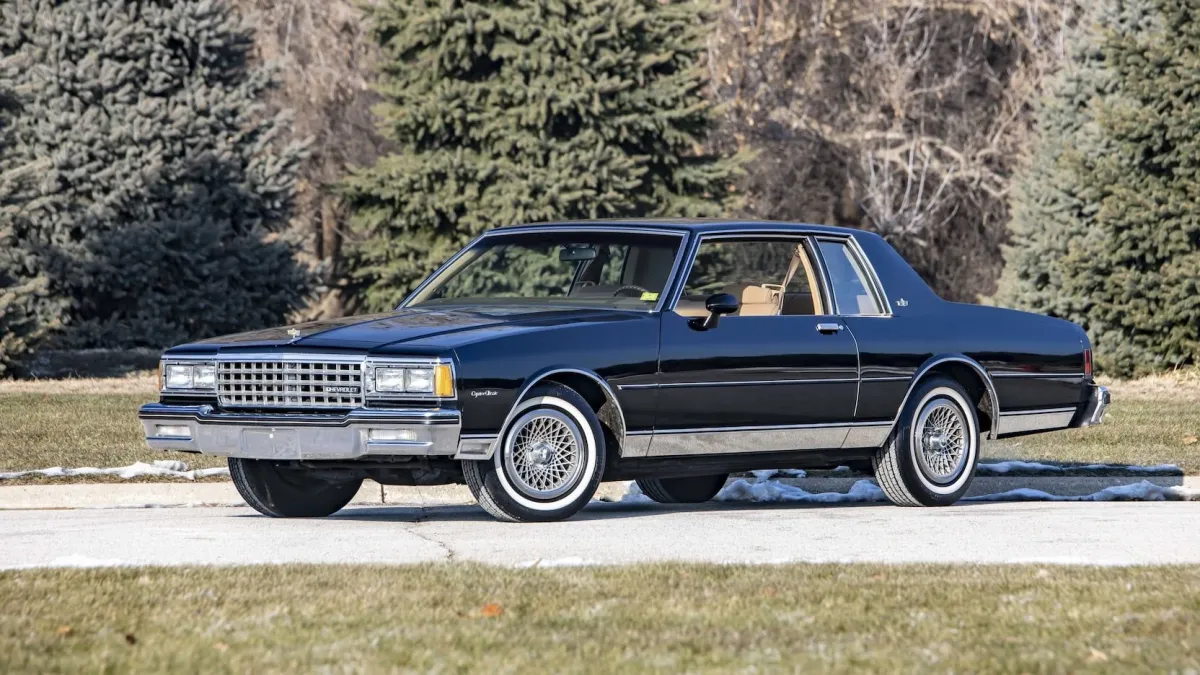 Photo: 1982 Chevrolet Caprice Classic Estate, via i.pinimg.com
What it didn't have was a touchscreen. Or Bluetooth. Or a backup camera, lane departure warnings, or the ability to download software updates overnight. The Caprice wagon had AM/FM radio, air conditioning that worked most of the time, and windows that rolled down when you turned a handle. That was it. That was enough.
Families bought these vehicles with a simple understanding: this machine will start when you turn the key, carry your people safely down the road, and keep doing so for the next 150,000 miles with basic maintenance. No subscriptions required. No user agreements to accept. No wondering whether your car would still work the same way after the next software update.
The Glory of Mechanical Simplicity
Inside that wagon, everything was analog and immediate. The speedometer was a needle that moved across numbers. The fuel gauge showed exactly how much gas remained. The climate control had three settings: hot, cold, and somewhere in between. When something broke, which wasn't often, any mechanic in America could fix it with basic tools and parts that cost less than dinner for two.
The rear-facing third seat became the stuff of childhood legend — a backwards perch where kids could wave at following cars and watch the world recede. No entertainment systems were needed because the entertainment was built into the experience. Road trips meant counting license plates, playing twenty questions, and fighting over who got to control the single radio station everyone could agree on.
These wagons didn't need to prove themselves or justify their existence through feature lists. They succeeded by doing their job reliably and getting out of the way. Parents didn't spend time learning how to operate their vehicle's infotainment system because there wasn't one. They just drove.
The Feature Creep Revolution
Today's family haulers — the crossovers and SUVs that replaced the honest station wagon — are technological marvels that can do things the Caprice wagon's designers never imagined. They can brake automatically when they sense an impending collision, maintain perfect highway speeds without driver input, and parallel park themselves while the driver stands on the sidewalk watching through a smartphone app.
A modern Toyota Highlander contains more computing power than the space shuttle. It can stream Netflix to rear-seat passengers, provide turn-by-turn navigation to anywhere on Earth, and alert you when your tire pressure drops by two PSI. It will remind you to take breaks on long drives, warn you when you're drifting out of your lane, and even detect when you're becoming drowsy.
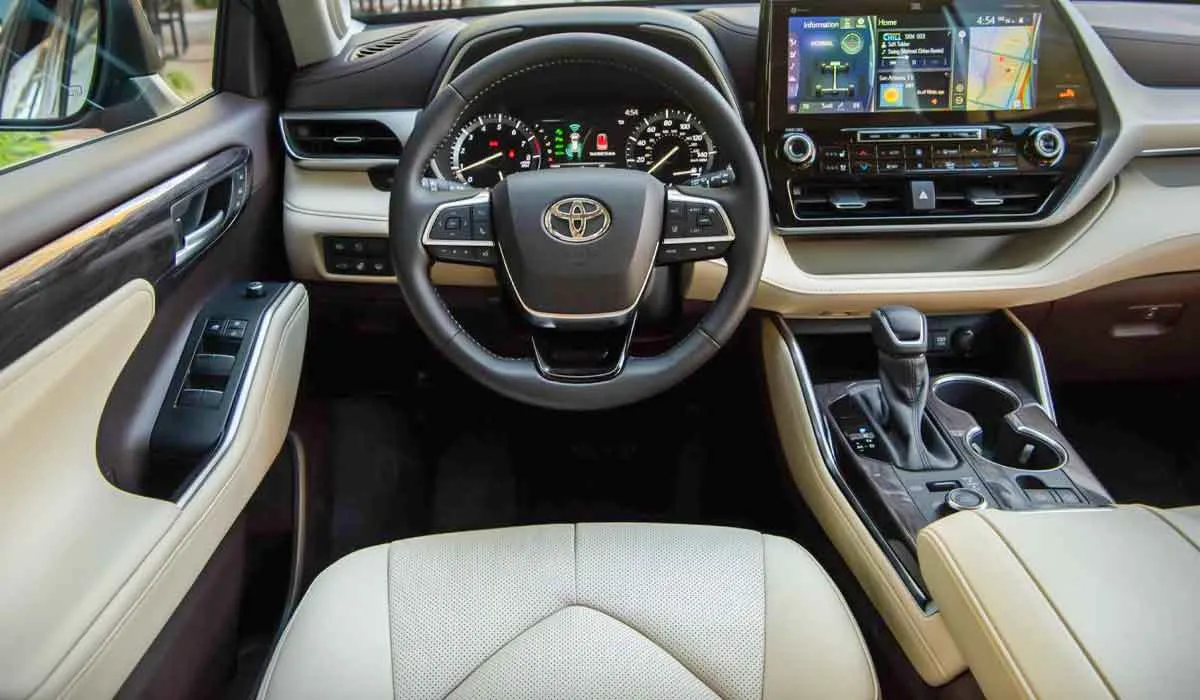 Photo: Toyota Highlander, via i0.wp.com
But here's the strange part: many drivers feel less confident behind the wheel of these technological marvels than their parents did piloting a simple wagon with manual steering and drum brakes.
The Subscription Car Era
The most jarring difference isn't what today's vehicles can do — it's what they charge you for doing it. BMW made headlines when they began charging a monthly fee for heated seats that were already installed in customers' cars. The seats existed, the heating elements were there, but accessing that warmth required a subscription.
This wasn't an isolated incident. Many automakers now charge monthly fees for features ranging from remote start to premium audio systems to enhanced navigation. Tesla famously charges $10,000 for "Full Self-Driving" capability that doesn't actually provide full self-driving, and the feature can be removed from your car if you sell it to someone else.
The 1982 wagon came with everything it was supposed to come with, permanently. The heated seats worked until the heating elements died, usually sometime after your kids had graduated college. No monthly bills. No features that could be remotely disabled. No wondering whether next month's credit card statement would include charges from your car.
When Updates Were Improvements
Modern vehicles receive over-the-air software updates that can change how they drive, what features they offer, and how their controls function. Tesla owners have woken up to find their cars' interfaces completely redesigned overnight. Other automakers have pushed updates that disabled features customers had been using for years.
The 1982 wagon never changed. It was the same vehicle on the day you sold it as it was the day you bought it, except with more miles and maybe a few more coffee stains. This consistency was a feature, not a bug. Families developed muscle memory around their vehicles' controls. Kids grew up knowing exactly which button did what and where to find the spare tire.
Today's car owners live with the constant uncertainty that their vehicle might work differently tomorrow than it does today. Updates promise improvements, but they can also eliminate beloved features or introduce new bugs. The car in your driveway is no longer a fixed entity — it's a platform subject to remote modification by people you'll never meet.
The Paradox of Progress
Modern family vehicles are objectively superior to the station wagons they replaced in almost every measurable way. They're safer, more fuel-efficient, more reliable, and more capable. A current Honda Pilot will outperform a 1982 Caprice wagon in every test engineers can devise.
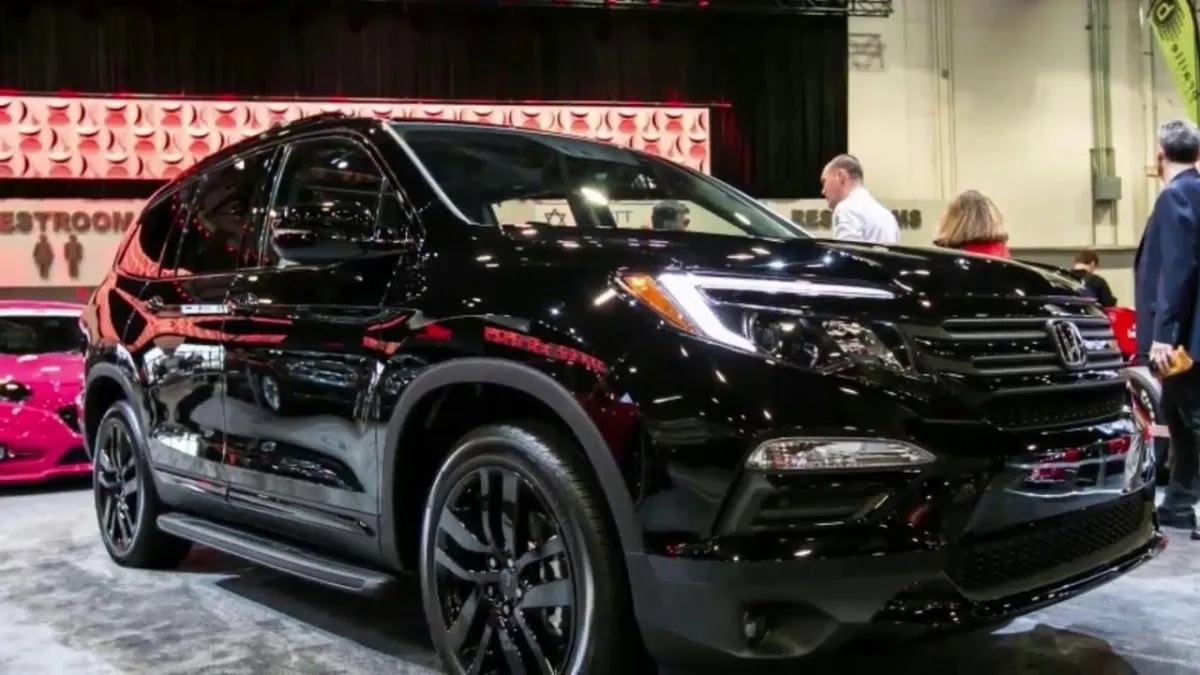 Photo: Honda Pilot, via bestnewsuvs.com
Yet something was lost in this transformation. The simple wagon represented a different relationship between people and their vehicles — one based on ownership rather than access, on permanence rather than subscription, on mechanical understanding rather than digital mystery.
The old wagon didn't need to justify its existence through feature lists or monthly payments. It earned its place in American driveways by doing its job honestly and reliably, year after year, without drama or complication. In an era where cars can do almost anything, perhaps that simple competence is what we miss most.
The Cost of Convenience
Today's families enjoy conveniences their parents couldn't have imagined. Automatic emergency braking has prevented countless accidents. Navigation systems have eliminated the frustration of getting lost. Streaming entertainment has made long drives more bearable for kids who would have been bored senseless in the analog era.
But these conveniences come with hidden costs beyond monthly subscription fees. They've created a generation of drivers who are less connected to the mechanical reality of driving and more dependent on systems they don't understand and can't repair. The simple confidence that came from mastering a straightforward machine has been replaced by the anxiety of operating a computer on wheels.
The 1982 station wagon wasn't perfect, but it was comprehensible. In our rush to make cars smarter, we may have forgotten the value of keeping some things simple.