Write the Check, Lick the Stamp, Problem Solved: When Paying Bills Was Actually Simple
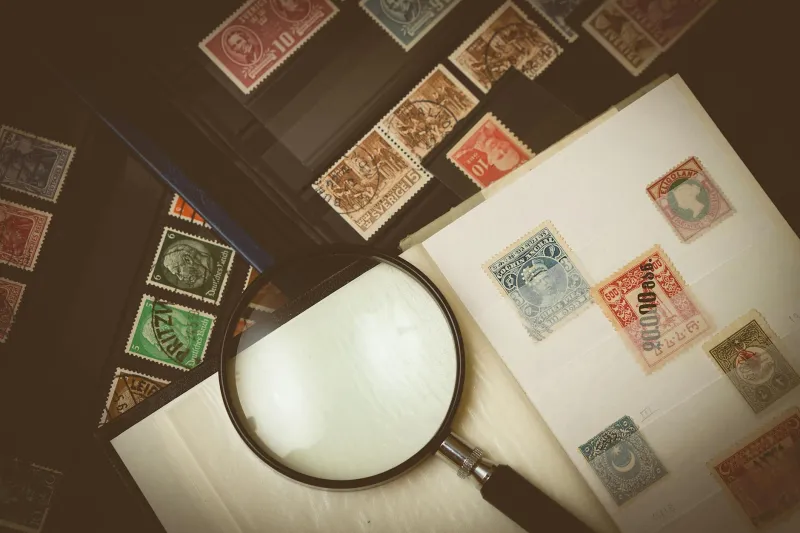
Sit down at the kitchen table. Pull out the checkbook. Write the amount, sign your name, tear along the perforation. Stuff it in the pre-addressed envelope, lick the stamp, drop it in the mailbox. Done.
For decades, this ritual played out in millions of American homes every month. Electric bill, phone bill, mortgage payment, credit card — every single bill got paid exactly the same way. The process was universal, reliable, and required no technical expertise beyond basic arithmetic.
Then we "improved" it.
The Beautiful Simplicity of Paper
Before the internet revolutionized bill paying, the system worked with remarkable consistency. Companies mailed you a bill with a return envelope. You mailed back a check. The transaction cleared in a few days, and both parties moved on with their lives.
The beauty was in the universality. Whether you were paying Sears, the local utility company, or your mortgage lender, the process never varied. No special apps to download, no passwords to remember, no terms of service to accept. The same pen, the same checkbook, the same 29-cent stamp worked for everything.
Americans developed efficient systems around this simplicity. Many families designated specific days for bill paying, spreading statements across the kitchen table like a monthly ritual. The most organized kept check registers that served as perfect spending records, creating an automatic paper trail that accountants loved and the IRS accepted without question.
When Technology Promised Better
The first wave of digital bill paying arrived in the late 1990s with online banking. The promise was compelling: pay all your bills from one website, no stamps required, instant confirmation. Early adopters embraced the convenience, and banks promoted the cost savings of processing fewer paper checks.
Initially, online bill pay worked much like the paper system — you entered payee information once, scheduled payments, and the bank either sent electronic transfers or printed and mailed checks on your behalf. The process was still centralized and predictable.
But as more companies developed their own payment systems, the simplicity began to fracture. Suddenly, your electric company wanted you to pay through their website, your credit card company preferred their mobile app, and your mortgage lender offered a "convenient" automatic withdrawal system.
The Fragmentation Problem
Today's bill-paying landscape resembles a digital obstacle course. Each company has its own system, its own app, its own security requirements. Your electric bill might require a 12-character password with special symbols, while your water bill only accepts payments between 6 AM and 11 PM. Your credit card company sends authentication codes to your phone, but your mortgage lender requires answers to security questions you set up five years ago and can't remember.
The monthly ritual now involves logging into multiple websites, each with different interfaces and requirements. Password reset emails clog your inbox. Two-factor authentication codes arrive at inconvenient moments. Websites go down for "scheduled maintenance" precisely when you need to make a payment.
Automatic payments promised to solve these problems but created new ones. Set up autopay, and you lose control over timing and amounts. Companies change billing dates, adjust payment amounts, or experience processing errors that can trigger overdraft fees or missed payment penalties. The convenience comes with a loss of awareness and control that many Americans find unsettling.
When Simple Became Complicated
Consider what bill paying requires today versus 30 years ago:
Then: One checkbook, one pen, stamps, envelopes. Total tools needed: four items that lasted months.
Now: Computer or smartphone, internet connection, multiple passwords, email access for confirmations, phone for authentication codes, backup payment methods for when systems fail.
The old system had one point of failure: running out of stamps. The new system has dozens: internet outages, website crashes, password lockouts, expired cards on file, changed bank accounts, software updates that break functionality, and security breaches that require changing all your passwords.
The Hidden Costs of Progress
Digital bill paying was supposed to save time and money, but many Americans now spend more time managing their bills than ever before. Password resets, system navigation, and troubleshooting technical problems can turn a two-minute task into a 20-minute ordeal.
The paper system also provided built-in spending awareness. Writing checks forced you to see every payment amount, creating natural spending consciousness. Today's automatic payments and digital transfers can make money feel abstract, contributing to reduced financial awareness.
Moreover, the paper trail that checks provided was universally accepted and easy to understand. Today's digital confirmations, PDF statements, and electronic records require more technical sophistication to maintain and organize.
The Reliability Paradox
Here's the irony: the "primitive" paper system was actually more reliable than today's sophisticated digital infrastructure. Checks virtually never failed to process. The postal system, for all its perceived flaws, delivered bills and payments with remarkable consistency.
Modern digital systems, despite being powered by supercomputers and fiber optic networks, regularly fail in ways that paper never did. Websites crash during peak usage periods — precisely when people need to pay bills. Software updates introduce bugs that prevent payments. Security measures designed to protect customers often lock out legitimate users.
What We Traded Away
The shift from paper to digital bill paying reflects broader changes in how Americans interact with financial institutions. We've gained speed and convenience but lost simplicity and universal accessibility. We've eliminated stamps and envelopes but added complexity that excludes less tech-savvy consumers.
The old system was democratic — anyone who could write their name could pay any bill. Today's system creates digital divides between those comfortable with technology and those who aren't, often correlating with age and income levels.
The Price of Innovation
Modern bill paying offers undeniable advantages: instant confirmations, automatic scheduling, integration with budgeting software, and environmental benefits from reduced paper use. But it's also created a fragmented, unreliable system that regularly frustrates millions of Americans.
The next time you're locked out of a payment website or waiting for an authentication code that never arrives, remember when paying bills was as simple as writing your name and buying a stamp. Sometimes the old way really was better.
Progress isn't always about adding features — sometimes it's about maintaining the simplicity that made things work in the first place. Before you noticed, bill paying went from foolproof to frequently frustrating, and we're all still figuring out whether the trade was worth it.