The Thud at Dawn: How America Lost Its Last Shared Morning Ritual
The Sound That Woke a Nation
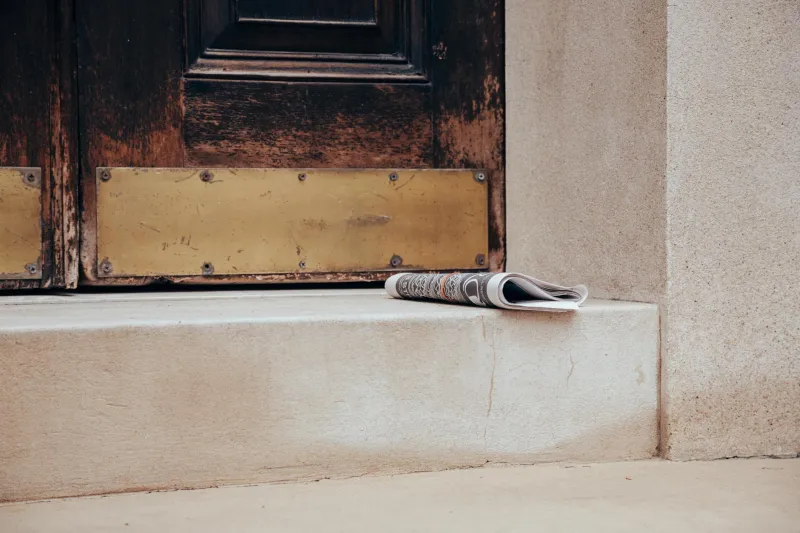
Before smartphones buzzed us awake with breaking news alerts, America had a different alarm clock. It was the satisfying thud of a rolled-up newspaper hitting the driveway at 5:30 AM, followed by the ritual shuffle of slippers on pavement as someone retrieved the day's first connection to the outside world.
That sound is gone now, and with it, something deeper than just a delivery method disappeared.
When News Had Weight
The morning newspaper wasn't just information—it was a physical object that demanded respect. You had to unfold it carefully to avoid tears. You had to navigate its sections in order: front page first, then local news, sports, comics, and finally the classifieds. The paper dictated the pace of your morning, not the other way around.
Families developed elaborate morning choreography around the paper. Dad got first dibs on the front page and sports section. Mom claimed the local news and lifestyle pages. Kids fought over the comics and, later, the entertainment section. The newspaper was passed around the breakfast table like a sacred text, each person contributing commentary on the day's events.
"Did you see this story about the city council?" became the morning's opening conversation. The paper gave families a shared starting point for their day, a common set of facts and stories that everyone in the house had access to.
The Democracy of Print
Newspapers were gloriously democratic in their presentation. Every story got the same font, the same basic treatment. Sure, headlines varied in size based on importance, but you couldn't skip past a story just because the algorithm decided you weren't interested. You saw everything—city council meetings, high school sports scores, obituaries of people you'd never met but somehow felt connected to.
This forced exposure to local news created informed citizens almost by accident. You learned about school board elections because they were right there on page three. You discovered new restaurants through display ads. You found out about community events because they were listed in the calendar section you passed while hunting for the crossword puzzle.
The Ritual of Waiting
News had a schedule, and so did you. The morning paper arrived once, contained everything important from the previous day, and that was it until tomorrow. There was no refreshing for updates, no breaking news notifications, no endless scroll of anxiety-inducing headlines.
This forced patience created a different relationship with information. News felt substantial because you had to wait for it. Stories were fully reported before they reached you. Journalists had time to verify facts, interview sources, and provide context.
The evening news on television supplemented the morning paper, but it didn't replace it. TV gave you moving pictures and immediate updates; the newspaper gave you depth and detail. Together, they created a complete information ecosystem that felt manageable and trustworthy.
The Social Architecture of Shared Stories
When everyone in town read the same newspaper, it created a shared vocabulary of current events. Conversations at the grocery store, the barbershop, or the office water cooler started from common ground. "Did you read about..." was a universal conversation starter.
This shared foundation made democracy work better. Town halls and city council meetings were attended by citizens who all had the same basic information about issues. Political discussions started from agreed-upon facts, even if people disagreed about solutions.
Local newspapers especially created a sense of community identity. High school football scores mattered to everyone, not just parents of players. Business openings and closings affected the whole town's sense of progress or decline. Obituaries connected families across generations.
What Replaced the Routine
Today's news consumption is immediate, infinite, and intensely personalized. We wake up to phones that have been collecting information all night, ready to deliver a customized stream of stories, opinions, and outrage designed to capture our attention.
But this convenience came with hidden costs. News no longer brings families together around a breakfast table; it isolates us in individual information bubbles. We don't share the same facts anymore because algorithms show us different realities based on our clicking patterns.
The morning news ritual that once eased us into the day has been replaced by an always-on fire hose of information that never stops flowing. Instead of a structured beginning to our day, we wake up already behind on breaking news that happened while we slept.
The Last Paperboys
The paperboy—usually a neighborhood kid earning spending money by waking up before dawn to deliver news door-to-door—was often the first entrepreneur most Americans ever met. These routes taught responsibility, money management, and customer service to generations of young people.
When papers switched to adult carriers in cars, then to mail delivery, and finally to digital subscriptions, we lost more than a quaint tradition. We lost a neighborhood institution that connected households to local kids and created investment in community life.
The Silence at Dawn
Now our driveways are silent in the early morning hours. No thud announces the arrival of the day's news. No ritual gathering around unfolded pages brings families together before they scatter to work and school.
We gained speed, convenience, and infinite choice in our news consumption. But we lost the weight of information, the democracy of shared stories, and the simple pleasure of starting each day with a common understanding of what happened in our world while we slept.
The paperboy is gone, and so is the America that waited for him.