Two Dollars, No Appointment, Same Chair for Thirty Years: The Barbershop Democracy That Built America
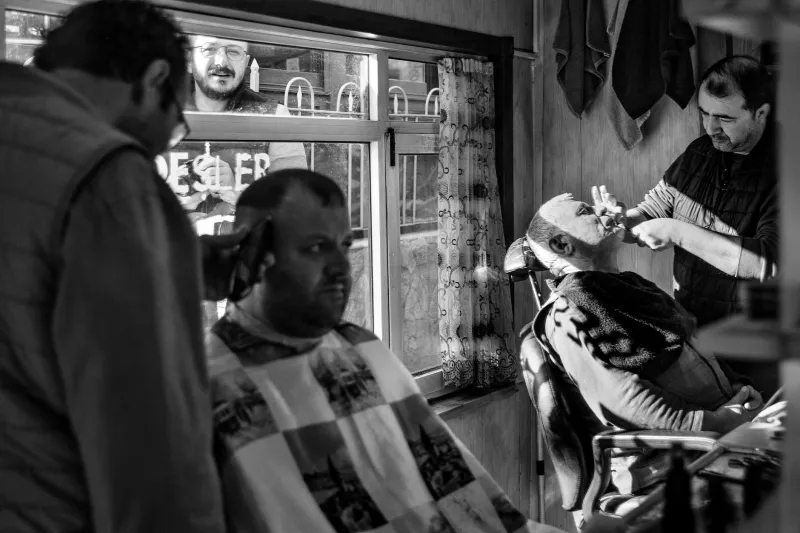
The Republic of the Red, White, and Blue Pole
For most of American history, every neighborhood had its own democratic institution where men gathered to solve the world's problems, share local gossip, and occasionally get their hair cut. The barbershop wasn't just a business—it was a social infrastructure that connected generations, mediated disputes, and kept communities informed.
That institution is virtually extinct now, replaced by chain salons and booking apps. But in losing the neighborhood barbershop, America lost something irreplaceable: a place where men talked honestly, listened carefully, and maintained relationships that lasted decades.
The Universal Price of Equality
Walk into any traditional barbershop between 1920 and 1980, and you knew exactly what you'd pay: whatever was written on the sign outside, usually between fifty cents and two dollars. The haircut was the haircut—no consultations, no upselling, no menu of services with confusing price tiers.
This democratic pricing meant the bank president and the factory worker sat in the same chairs, waited in the same line, and paid the same price. The barbershop was one of the few places in American society where class distinctions temporarily disappeared. Everyone got the same service, the same attention, and the same opportunity to participate in the ongoing conversation.
The barber knew your name, your family situation, and how you liked your hair cut. But he also knew these things about the fifty other men who came in regularly. This created a web of neighborhood knowledge that kept communities connected and informed.
The Therapy Session You Didn't Know You Needed
Men don't traditionally seek therapy or counseling, but they did visit the barbershop every two weeks for decades. In that chair, surrounded by the familiar sounds of scissors and conversation, men talked about problems they wouldn't discuss anywhere else.
The barber became an accidental therapist, listening to marriage troubles, work frustrations, and family conflicts while maintaining the plausible deniability that this was just casual conversation. The ritual of the haircut—the hot towel, the careful attention, the uninterrupted time—created a safe space for emotional expression.
These weren't formal counseling sessions, but they served similar functions. Men received advice, perspective, and emotional support disguised as neighborhood gossip. The barbershop's informal atmosphere made vulnerability acceptable in a culture that otherwise discouraged male emotional expression.
The Original Social Network
Before Facebook or Twitter, the barbershop was how neighborhood news traveled. Job openings were announced between snips. Local politics were debated over the sound of electric clippers. Community events were organized during Saturday morning rush hours.
The barber often knew more about what was happening in the neighborhood than the mayor or the newspaper editor. He heard about divorces before lawyers got involved, knew about business troubles before banks foreclosed, and learned about family celebrations before invitations were sent.
This information network served practical purposes: men found jobs through barbershop connections, learned about good deals on cars or houses, and discovered which local businesses were trustworthy. The barbershop was LinkedIn, Craigslist, and the local newspaper combined into one institution.
The Classroom Without Curricula
Young boys received their first lessons in adult male conversation at the barbershop. They learned how to listen respectfully, when to speak up, and how to disagree without being disagreeable. The barbershop taught social skills that schools didn't cover.
Older men shared stories, wisdom, and perspective with younger generations in ways that felt natural rather than preachy. A teenager getting his first adult haircut might leave with job advice, dating tips, or life lessons that stuck with him for decades.
These intergenerational connections created community continuity. Young men learned neighborhood history, family connections, and local traditions from men who had lived through them. The barbershop preserved institutional memory in ways that formal organizations couldn't.
The Ritual of Male Grooming
The traditional barbershop haircut was a complete experience: hot lather shaves, neck massages, hair tonics, and careful attention to details. Men emerged not just trimmed but properly groomed, feeling refreshed and cared for.
This level of personal service created genuine relationships between barbers and customers. The barber knew your hair patterns, your grooming preferences, and your schedule. Regular customers didn't need appointments—the barber expected them and made time.
The physical intimacy of barbering—someone carefully tending to your appearance with sharp tools—required trust that developed over years. This trust extended beyond haircuts into personal advice, financial recommendations, and emotional support.
The Death by a Thousand Cuts
Several forces combined to kill the neighborhood barbershop. Unisex salons offered more services and modern amenities. Chain stores provided consistent experiences across locations. Women entered the hair care industry and changed customer expectations about ambiance and service.
Men began going to salons for cuts, color, and styling rather than simple maintenance. The barbershop's utilitarian approach seemed outdated compared to the spa-like experience offered by modern establishments.
Franchise haircut chains like Great Clips and Supercuts offered speed and convenience over relationship and community. You could get a decent haircut quickly without the social obligations of neighborhood barbershop culture.
What the Apps Can't Replace
Today's hair care industry prioritizes efficiency, variety, and professional development over community and relationship. You book appointments through apps, pay with cards, and often see different stylists each visit.
The modern salon experience is more comfortable, more professional, and more technically skilled than the old barbershop. But it's also more isolated, more transactional, and less connected to community life.
We've gained better haircuts and lost meaningful male spaces. We've gained convenience and lost continuity. We've gained options and lost the simple pleasure of being known and cared for by someone who saw you every two weeks for thirty years.
The Last Barber
Somewhere in America, an elderly barber is still cutting hair in a shop that hasn't changed in fifty years. His customers are mostly old men who remember when every neighborhood had a place like this. They come not just for haircuts but for connection to a time when communities were held together by simple rituals and recurring relationships.
When that last barber retires, he'll take with him decades of neighborhood history, countless personal stories, and the institutional memory of how communities once cared for their members through small, daily acts of service.
The barbershop was never just about haircuts. It was about belonging, connection, and the radical idea that everyone deserves personal attention and community membership. We found ways to cut hair more efficiently, but we never found ways to replace what the barbershop provided to the social fabric of American neighborhoods.
The red, white, and blue pole still spins outside a few remaining shops, but the democracy it once represented is mostly just a memory now.