Cash in Your Pocket, Keys in Your Hand: When Buying Used Cars Meant Meeting Your Neighbor
The Sunday Morning Ritual
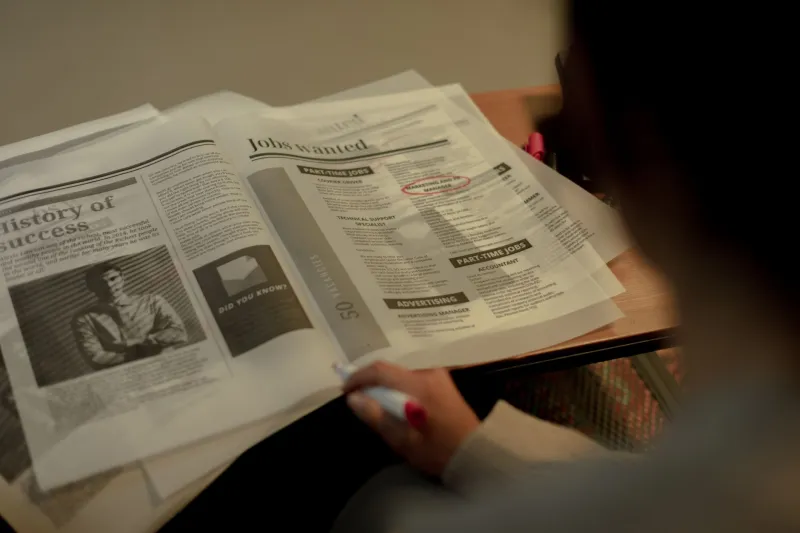
Every Sunday morning in 1985, Tom Rodriguez would spread the classified section across his kitchen table with a cup of coffee and a red pen. He wasn't looking for a job or an apartment—he was hunting for his next car. The "Autos for Sale" section was three full pages of hope and possibility, each entry a story waiting to unfold.
 Photo: Tom Rodriguez, via www.lasermaq.pt
"'78 Camaro, runs good, some rust, $2,800 OBO. Call after 6 PM." That was it. No photos, no vehicle history reports, no financing options. Just an address, a phone number, and the promise that if you showed up with cash, you might drive home in something new.
The ritual was beautifully simple. You'd call the number, usually reaching someone's kitchen phone where kids were arguing in the background. You'd ask a few basic questions—How many miles? Any problems? When can I see it?—and then you'd drive over to their house.
The Driveway Inspection
Car buying happened in America's driveways, not corporate showrooms. The seller would emerge from their front door, keys jingling, ready to pop the hood and show you what they knew about the engine. These weren't professional salespeople; they were your neighbors, your coworkers, the guy from church who needed to upgrade to a minivan because his third kid was on the way.
The inspection process relied entirely on your own judgment and whatever mechanical knowledge you'd picked up from your father or brother-in-law. You'd check the oil, look for rust, kick the tires, and listen to the engine idle. If something seemed off, you'd point it out. "That rattling noise when you accelerate?" The seller would usually be honest: "Yeah, it's been doing that for six months, but it still gets me to work every day."
No CarFax reports existed to tell you the vehicle's history. No online databases tracked every accident, flood, or repair. You were buying based on what you could see, hear, and feel—plus whatever story the current owner was willing to share.
The Test Drive Around the Block
The test drive was a neighborhood tour. You'd cruise down residential streets, maybe take it out on the main road for a few minutes, but rarely venture onto the highway. The seller often rode along, pointing out the car's quirks: "You have to pump the brakes twice when it's cold," or "The radio only works if you hit the dashboard right here."
These weren't problems that killed the deal—they were character traits that came with the purchase. Cars had personalities then, little mechanical idiosyncrasies that their owners had learned to live with. The expectation wasn't perfection; it was honest disclosure and a vehicle that would get you where you needed to go.
The Handshake Deal
If you decided to buy, the transaction unfolded right there on the spot. You'd negotiate a price—usually a few hundred dollars less than the asking amount—and shake hands on the deal. The seller would sign over the title, you'd count out cash from your wallet, and within twenty minutes, you were driving home in your new-to-you car.
No financing departments, no extended warranties, no add-on products. The most complicated part was figuring out how to get your old car home, which usually meant calling a friend or family member to follow you in a two-car caravan.
Trust was the foundation of the entire system. You trusted the seller to be honest about known problems. They trusted you to pay what you promised. The DMV trusted both of you to handle the paperwork correctly. It was a remarkably efficient system built on the assumption that most people were fundamentally decent.
The Corporate Takeover
Today's used car market operates on the opposite principle: trust nothing, verify everything. CarMax pioneered the "no-haggle" pricing model, eliminating negotiation but also removing the human element from the transaction. Carvana promises to deliver cars to your driveway, but only after you've navigated their app, submitted to credit checks, and committed to a vehicle you've never actually touched.
Online listings now include dozens of photos, detailed inspection reports, and complete maintenance histories. Every scratch is documented, every service record preserved. The information is comprehensive, but the experience has become sterile and impersonal.
Modern buyers spend weeks researching vehicles online, comparing prices across multiple platforms, and reading reviews from strangers. The actual purchase involves loan applications, extended warranty pitches, and multi-page contracts filled with legal disclaimers. What once took an afternoon now stretches across multiple dealership visits and paperwork sessions.
What We Lost in Translation
The shift from neighbor-to-neighbor car sales to corporate-mediated transactions solved real problems. Lemon laws protect buyers from deliberate fraud. Financing options make vehicles accessible to people without thousands in cash. Detailed vehicle histories help buyers make informed decisions.
But we lost something essential in the process: the human story behind every used car. When you bought from your neighbor, you learned why they were selling. Maybe they were downsizing after retirement, or upgrading because their teenager needed something reliable for college. The car came with context, with a personal history that made it feel less like a commodity and more like a piece of someone's life that was being passed along.
The Sunday morning classified ritual is gone, replaced by endless scrolling through online listings. The driveway inspection has been replaced by certified pre-owned programs. The handshake deal has been replaced by digital signatures on tablets.
We've gained efficiency and consumer protection, but we've lost the simple pleasure of discovering your next car through a conversation with a stranger who becomes, for one afternoon, a temporary neighbor sharing their driveway and their story.