Dad's Old Buick Had 140,000 Miles and a Million Stories: The Car That Used to Come With Family History Attached
The Car That Came With a Story Already Written
Somewhere in the mid-1980s, a 16-year-old in Ohio slid behind the wheel of his grandfather's 1974 Oldsmobile Cutlass and drove to school for the first time. The car had a dent above the rear wheel well from a parking lot incident in 1979. The AM radio stuck on one station. The passenger seat wouldn't recline all the way. And none of that mattered — because this kid knew every one of those quirks by name, and so did everyone in his family.
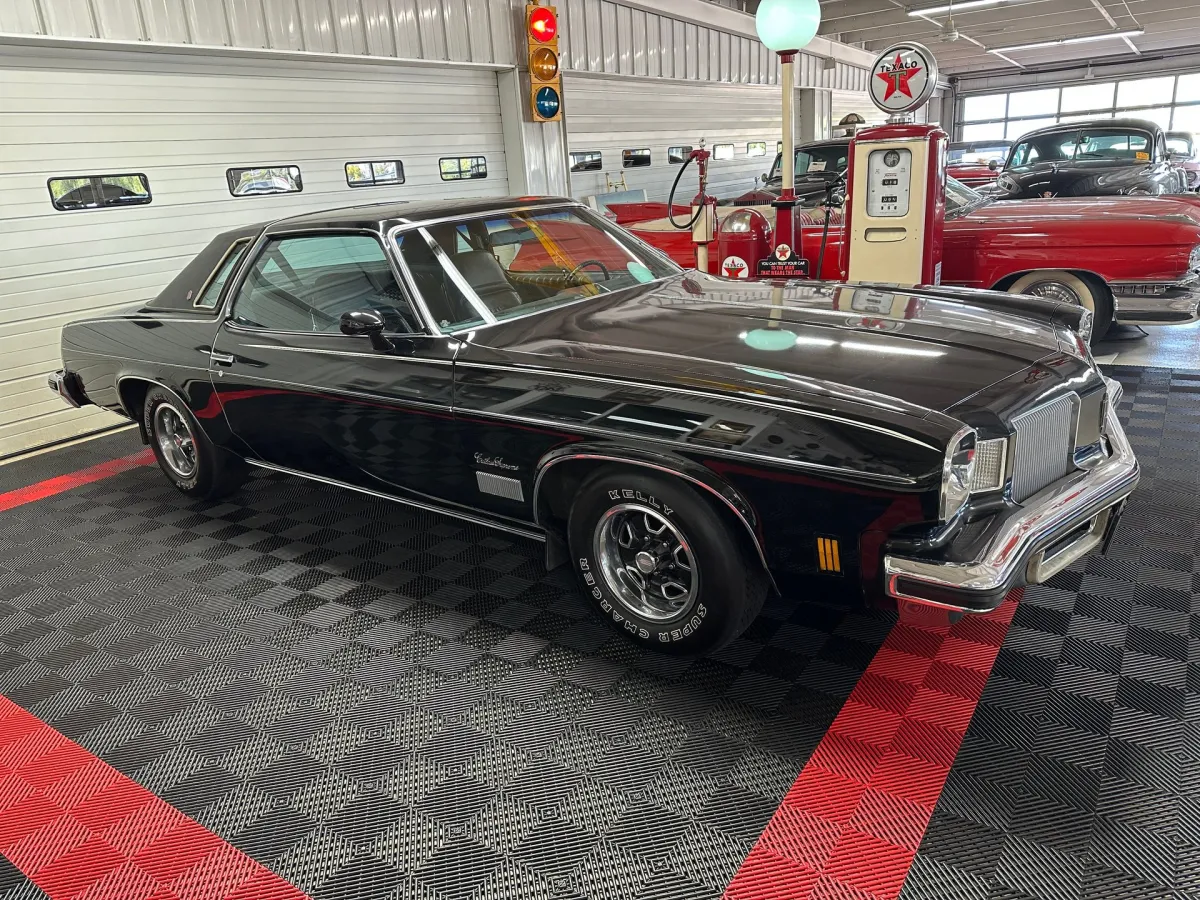 Photo: 1974 Oldsmobile Cutlass, via cdn.dealeraccelerate.com
That moment — the handoff of the family car to the next generation — used to be one of those quiet American rituals that didn't have a ceremony but absolutely had a meaning. It was a rite of passage disguised as a practical transaction. The keys changed hands, and so did a piece of family identity.
That tradition is nearly gone now. And the way it disappeared says a lot about how we've changed.
What the Handoff Actually Meant
For most of the 20th century, cars were expensive enough to keep and cheap enough to pass down. A family might own the same vehicle for a decade, and by the time a teenager in the house was old enough to drive, that car had become something more than transportation. It had character. It had history. It had meaning.
Grandpa's truck that hauled lumber for the back porch addition. Mom's station wagon that shuttled every soccer carpool for six years. Dad's sedan with the parking sticker from the job he held for 20 years still stuck to the windshield. These weren't just vehicles. They were physical records of a family's life.
And when those cars got passed down — usually without fanfare, usually with a firm handshake and a short speech about checking the oil — something real was being transferred. Not just metal and rubber, but trust. Responsibility. Connection.
The teenager who received that car understood something that no dealership brochure could communicate: this thing matters, because it mattered to someone you love.
The Dents Were the Point
Here's the part that gets lost in modern conversations about used cars: the imperfections were features, not flaws.
That scratch on the driver's door? You knew exactly how it got there. That worn patch on the steering wheel? You'd watched your father's hands rest there a thousand times on long highway drives. The car wasn't pristine. It wasn't supposed to be. It was yours because it had been theirs, and that lineage was visible in every scuff and squeak.
There was also something deeply practical about it. You already knew how the car behaved. You'd ridden in it for years. You knew it pulled slightly to the left, that the heater took forever to warm up in January, that the trunk latch needed a firm second push. You weren't learning a new machine — you were taking the wheel of something familiar.
That familiarity made new drivers safer, more confident, and more connected to the responsibility they were taking on.
What Replaced the Handoff
Today, the first-car experience looks almost nothing like that. A teenager — or more often their parents — opens a browser, pulls up a certified pre-owned marketplace, filters by mileage and price range, reads a Carfax report, and arranges a test drive at a dealership with a 27-step purchase process.
The car that results from this exercise is cleaner, safer, and more reliable by almost every measurable standard. It probably has a backup camera and Bluetooth and a warranty. Nobody's disputing that.
But it belongs to no one's story yet. It's a financial asset, not a family artifact. The transaction is optimized for efficiency and consumer protection, which are genuinely good things — and also completely beside the point of what the old system was actually doing.
Private family sales have declined steadily as platforms like CarMax and Carvana have made the dealership model more convenient and the peer-to-peer transaction feel riskier. Young buyers are told — correctly — that they should have any used car inspected by a mechanic before purchase, that they should verify the title history, that they should never buy on emotion.
All of that advice is sound. And all of it quietly dismantles the idea that a car could ever be worth buying because of the emotion attached to it.
The Ritual Nobody Thought to Protect
What's strange about the disappearance of the family car handoff is that nobody decided to end it. There was no policy change, no cultural moment where America collectively agreed that first cars should come from dealerships instead of driveways. It just quietly faded as economics, liability, and consumer behavior shifted around it.
Families started trading in cars more frequently instead of running them into the ground. Leasing became common, which means there's often nothing to pass down — you hand the car back to the dealer when the lease ends. Newer vehicles are more complex and expensive to maintain, which makes keeping them for a decade less practical. And the used car market became professionalized enough that selling privately started to feel unnecessary.
Each of those shifts made individual sense. Together, they erased something.
Before the Blink
The teenager who inherited that Oldsmobile Cutlass in Ohio is probably in his mid-50s now. He might have kids of his own who just got their licenses. And odds are, those kids got their first cars from a dealership with a carfax report and a 90-day powertrain warranty.
There's nothing wrong with that. But there's also nothing in that transaction that a kid will remember 40 years from now — no dent with a story, no radio preset from a grandfather's favorite station, no moment where a set of keys and a handshake meant something bigger than getting to school on time.
We traded the story for the warranty. In most cases, that's probably the smarter move.
But it cost us something. And we barely noticed it happen.