The Glass Case and the One Gift: When Christmas Morning Actually Meant Something
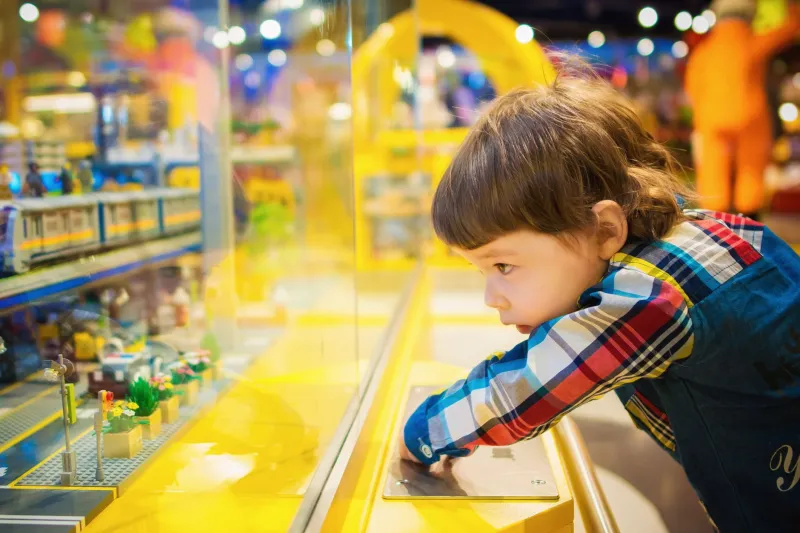
Somewhere in the back of a Toys R Us, in the aisle where the really serious stuff lived — the die-cast models, the remote-control cars that cost more than your parents wanted to spend — a kid stood completely still. Not touching anything. Just looking. Storing it all up like a photograph he planned to carry forever.
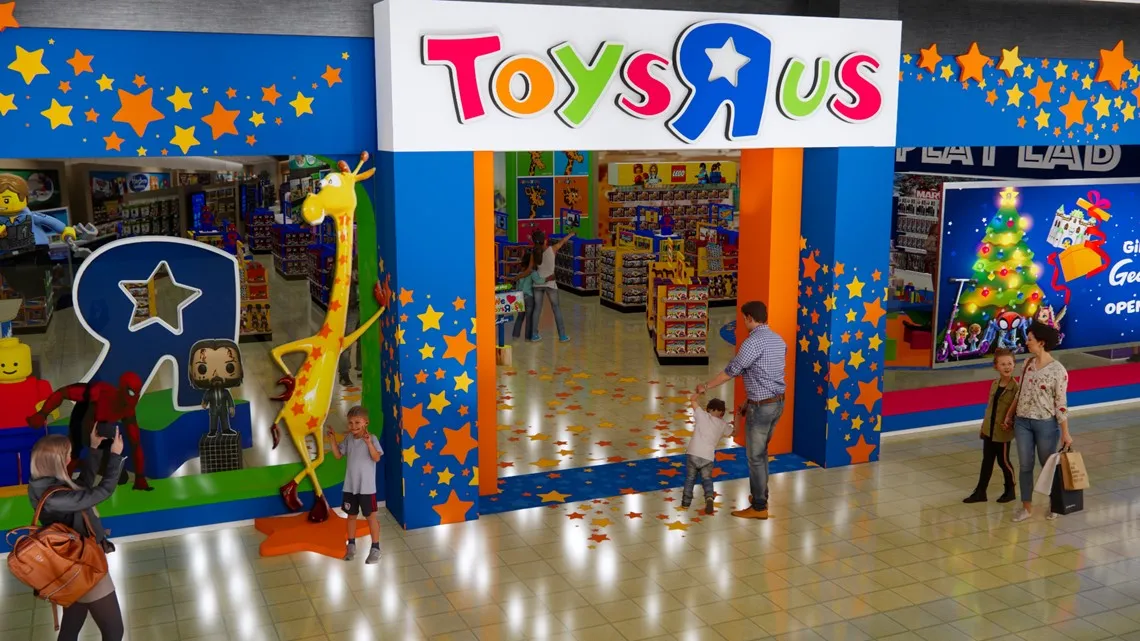 Photo: Toys R Us, via media.tegna-media.com
That kid understood, without being told, that Christmas was the one day per year when the thing behind the glass might actually become his. The gap between wanting and having was enormous. That gap was the point.
The Temple and Its Rituals
The dedicated toy store was a genuinely different kind of retail experience. Kay-Bee Toys in the mall. The local hobby shop that smelled like model glue and possibility. And of course, Toys R Us — that cathedral of childhood desire with its Geoffrey the Giraffe mascot and its overwhelming, slightly chaotic aisles that seemed to go on forever.
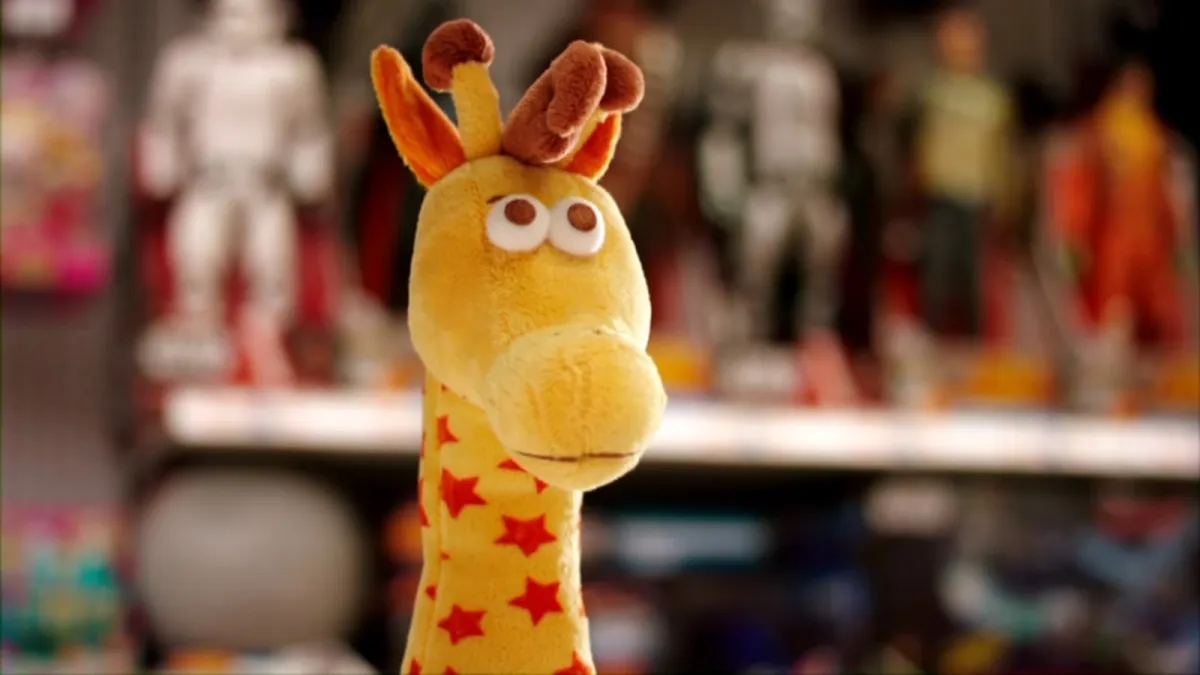 Photo: Geoffrey the Giraffe, via cdn.abcotvs.com
These weren't just stores. They were destinations. Going to the toy store wasn't a transaction — it was an event. Parents planned it. Kids prepared for it. There were rules: you could look, you could ask, and you understood that asking was not the same as receiving.
The anticipation was architectural. It was built into the experience by design and by economic reality. Most families in mid-century and late-century America didn't buy toys casually throughout the year. Toys were for birthdays and Christmas, full stop. That scarcity wasn't deprivation — it was the mechanism that made the gift feel like a miracle.
When Christmas morning arrived and there was a single large box with your name on it, the emotional weight of that moment was staggering. You had been thinking about this. You had been hoping for this, specifically, for months. The wrapping paper came off and the world shifted.
The Wish List Was Sacred
Remember the Sears Wish Book? That catalog landed in American homes every fall like a seasonal event, and kids treated it the way adults treat property listings — dog-earing pages, circling items in pen, building elaborate fantasy inventories of things they would probably never own but loved imagining.
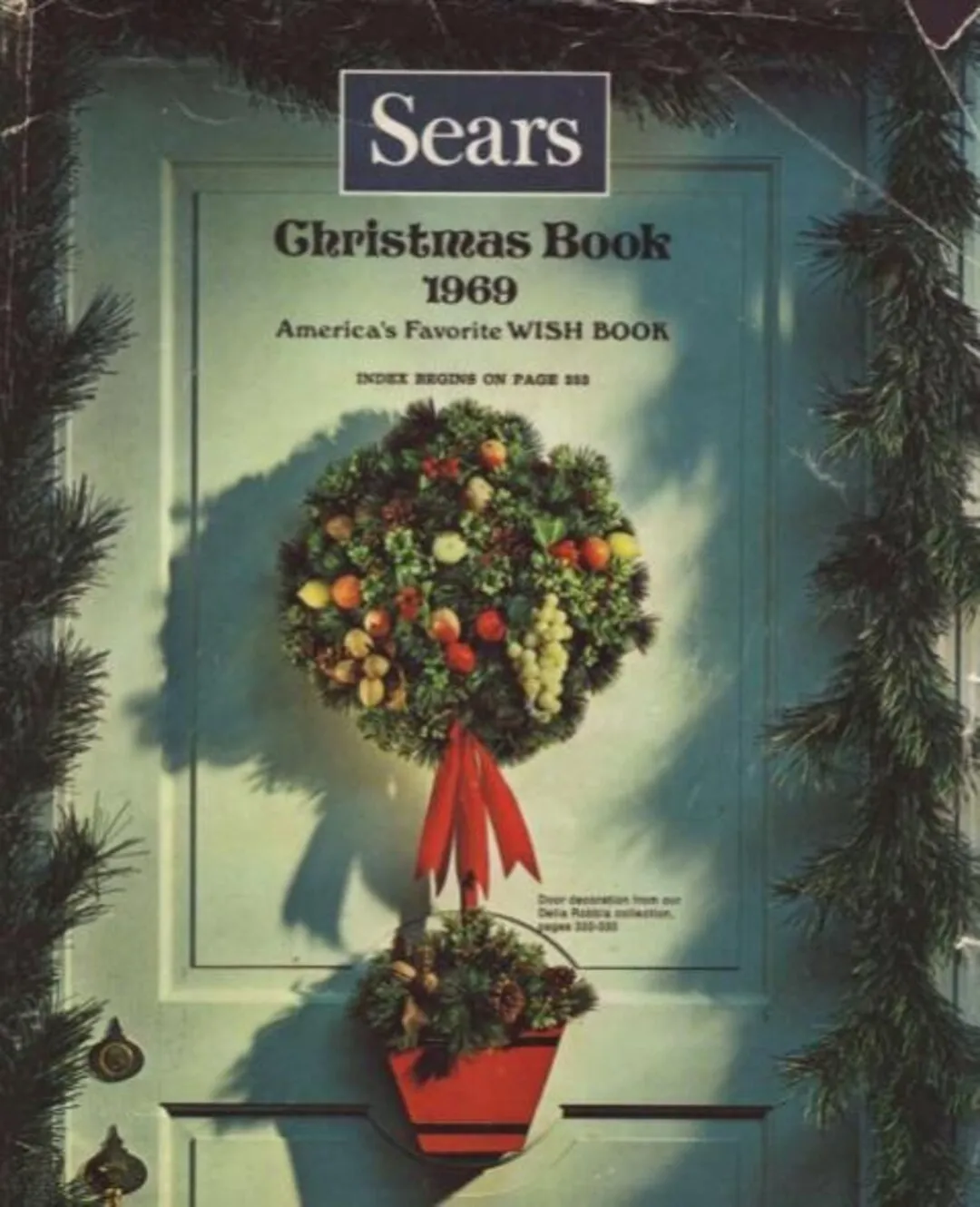 Photo: Sears Wish Book, via i.etsystatic.com
The wish list was a serious document. You didn't put everything on it. You put the thing. The one thing. Maybe two things, if you were being strategic. Asking for too much felt greedy even to a nine-year-old, because nine-year-olds understood the economics of Christmas better than we give them credit for.
That negotiation between desire and restraint taught something quietly important: not everything you want is something you get, and the wanting itself has value. The anticipation wasn't the unfortunate period before the reward. The anticipation was the experience.
One Click and It's Already Forgotten
Today's children inhabit a fundamentally different relationship with objects. Amazon delivers within a day or two. Grandparents send gift cards. Parents pick up small items constantly — not because they're indulgent, but because the friction of buying things has been so thoroughly removed that it happens almost accidentally.
The average American child receives gifts not just on birthdays and holidays but throughout the year, in quantities that would have seemed surreal to previous generations. Unboxing videos on YouTube have made the act of receiving a gift into its own entertainment genre — which tells you something about how routine the experience has become. When unwrapping a toy is content, the toy itself is almost beside the point.
None of this is a moral failing. Parents aren't doing something wrong by using Amazon. The platforms are designed to make buying effortless, and effortless is genuinely useful in a busy life. But effortless has a cost that doesn't show up on the receipt.
When a child receives things constantly, the emotional weight of any single gift approaches zero. Christmas morning is still exciting — kids are kids — but it competes with every other Tuesday when a package arrived. The extraordinary has been averaged out.
What the Toy Store Actually Sold
Toys R Us declared bankruptcy in 2017 and began liquidating in 2018. Kay-Bee had already been gone for years. The local hobby shop, if yours survived, is probably hanging on by a thread. The physical spaces where children went to want things — to practice the discipline of desire — are mostly gone.
What those stores actually sold, beyond the merchandise, was a structured experience of longing. The glass case wasn't just a security measure. It was a boundary between the world of imagination and the world of possession. Standing on the wanting side of that glass was part of childhood in a way that's genuinely hard to replicate with a browser window.
The toy store asked something of you. It asked you to wait. To hope. To contain your wanting and carry it forward through weeks and months until one specific morning when it might be answered.
The Gift That Landed
Ask any adult over thirty about the best gift they ever received as a child. They'll remember it precisely. The year, the wrapping, the moment. They'll remember who was in the room. They'll remember how it felt to finally hold the thing they'd been thinking about since October.
Ask them what they got last year for their birthday. Most will have to think about it.
Abundance is a genuine gift. Nobody serious is arguing for artificial scarcity. But somewhere in the acceleration from the Wish Book to next-day delivery, something real got lost — the particular, irreplaceable feeling of wanting something for a long time and finally, on one cold December morning, getting it.
That feeling was the gift. The toy was just how it arrived.