Empty Lot, Full Count: The Pickup Baseball Game Nobody Scheduled
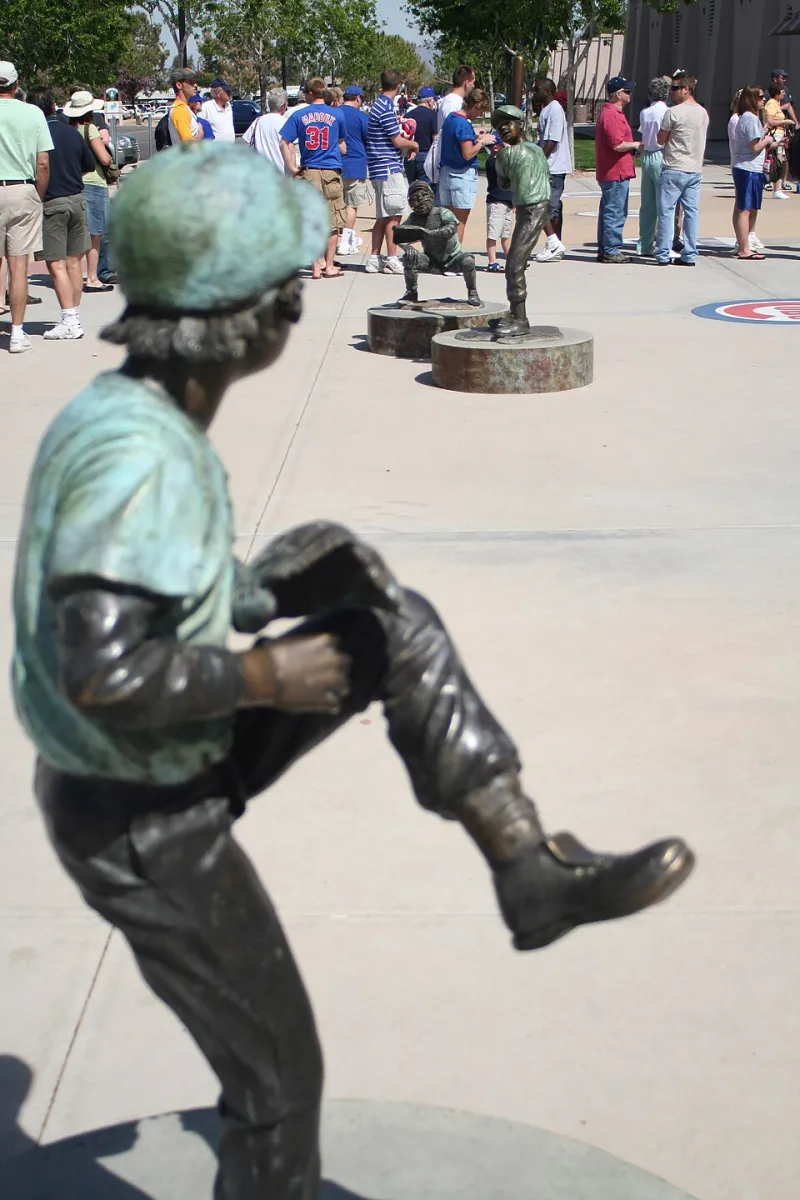
Photo: Jon Gudorf Photography, CC BY-SA 2.0, via Wikimedia Commons
Nobody sent a calendar invite. There were no matching jerseys, no paid umpire, no parent with a clipboard keeping pitch counts. Somebody just showed up at the vacant lot on Elm Street with a ball and a bat, and by some process that felt almost biological, other kids materialized. Teams were formed. Arguments broke out. Rules were negotiated. The game started.
 Photo: Elm Street, via m.media-amazon.com
This was pickup baseball. It was the version that actually raised America.
The Lot Was the Laboratory
For most of the twentieth century, the self-organized pickup game was one of the primary social institutions of American childhood. It happened in vacant lots, on school fields after the teachers had gone home, in streets with manhole covers for bases and parked cars as foul poles. The geography varied. The structure was always the same: kids in charge, adults absent, problems solved on the spot.
The first order of business was always teams. And this is where something genuinely important happened, something no adult-run league has ever quite replicated.
The two oldest or most respected kids would captain. They'd pick players in alternating rounds, publicly, in front of everyone. If you were picked early, you felt it. If you were picked last, you felt that too. It was occasionally brutal. It was also honest — a direct and unfiltered communication about where you stood among your peers, which is information children have always needed and that modern youth sports culture has worked very hard to withhold.
Once the teams were set, the rules were negotiated. Do we use the tree as third base? What happens when a ball goes into Mr. Henderson's yard? Is the pitcher's mound that dirt patch or the slightly flatter one six feet to the left? Every game required a fresh round of small-scale legislation, conducted by children who had no authority to appeal to but each other.
Disputes Were the Point
The arguments were constant. Someone was always out who thought they were safe. A ball was always fair that the fielder claimed was foul. In a game with no umpire, every close call became a negotiation — sometimes loud, sometimes prolonged, occasionally involving a threat to take the ball and go home.
But here's what actually happened, most of the time: the dispute resolved. Not because an adult intervened. Not because a rule book was consulted. Because the kids involved figured out that the game mattered more than the argument, and someone eventually made a concession that both sides could live with. Or the kid with the ball actually did go home, and everyone learned something about leverage and consequence.
Those were the lessons. Not batting stance or fielding fundamentals — though those got learned too — but the harder, messier skills: how to make a case for yourself, how to read a room, how to know when to push and when to fold, how to keep a group of strong-willed people oriented toward a shared goal.
No coach scheduled those lessons. No curriculum covered them. They emerged from the friction of kids running things themselves, which is the only way they can really be learned.
When Adults Arrived, the Game Changed
Organized youth baseball has been part of American life since Little League was founded in 1939, but for decades it coexisted with the pickup game. Kids played organized ball on weekends and pickup ball on weekday afternoons. The two versions of the sport served different purposes and both had a place.
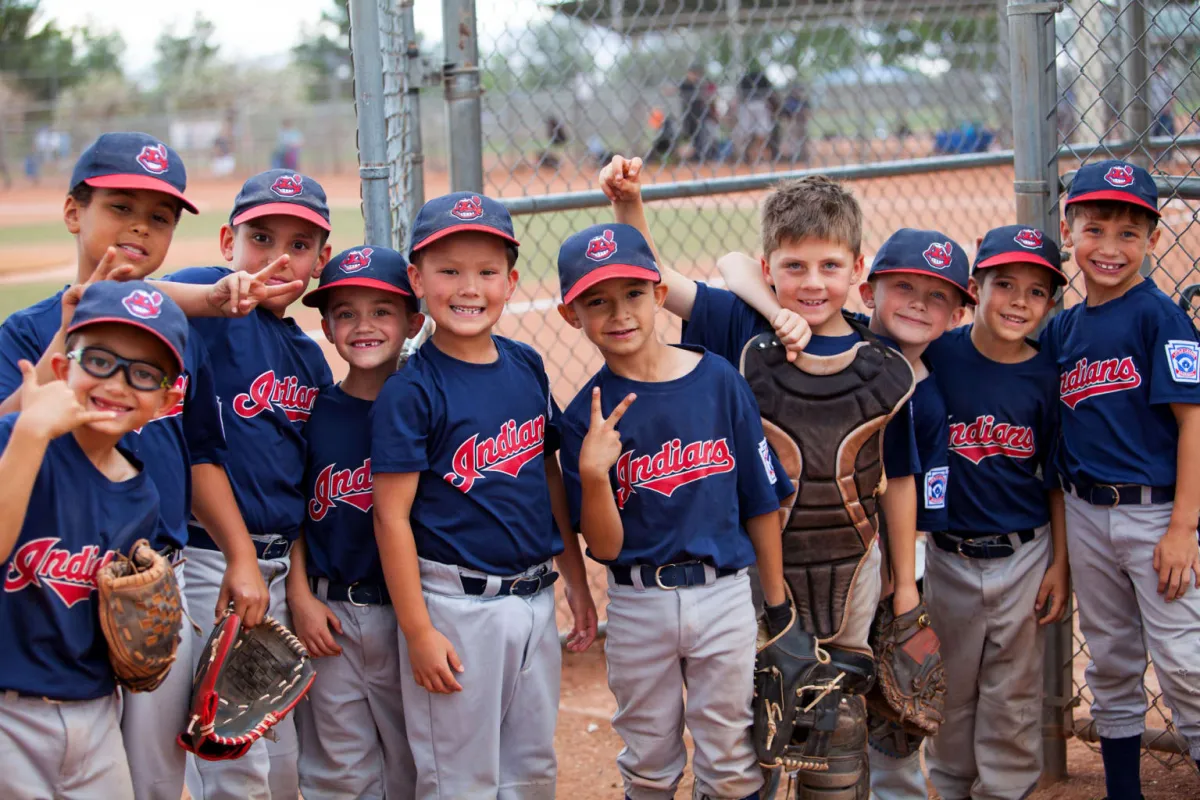 Photo: Little League, via res.cloudinary.com
The shift happened gradually through the 1980s and accelerated sharply in the 1990s. As travel leagues expanded, as the idea of youth sports as a pathway to college scholarships took hold, and as parents became increasingly involved in managing and optimizing their children's athletic development, the organized version of the sport began crowding out the unorganized one.
Practice schedules filled the afternoons that had once been unstructured. The vacant lot — if it still existed at all, if it hadn't been developed into condos or fenced off for liability reasons — sat empty. Kids who wanted to play baseball went to practice. Kids who wanted to play baseball the way kids had always played it, spontaneously and on their own terms, found there was less and less space for that version of the game.
By the 2000s, the pickup baseball game was largely a historical artifact in most American communities. The sport itself had never been more organized, more coached, or more expensive. And it had never been less owned by the kids who played it.
The Metrics We Can't Measure
Youth baseball today produces better-trained athletes than the pickup era ever did. The coaching is more sophisticated. The instruction is more precise. A ten-year-old in a travel league today has access to pitching mechanics analysis and swing coaching that would have been unimaginable to a kid shagging flies in a vacant lot in 1965.
But the skills that the pickup game developed aren't tracked in any box score.
How do you measure a kid's ability to organize a group of reluctant peers around a shared activity? How do you quantify the confidence that comes from settling a dispute without a referee? How do you score the social intelligence that develops when children spend four hours together with no adult present to mediate, redirect, or resolve?
Those competencies don't show up in batting averages. They show up later, in how people manage teams, navigate conflict, and lead organizations. And the generation that developed them in vacant lots and on sun-baked school fields learned them for free, on their own time, without anyone planning the curriculum.
The Field Is Still There. The Kids Aren't.
Drive past a school field on a summer afternoon in most American towns today and you'll find it empty. Not because kids don't want to play — they do — but because the spontaneous social architecture that once pulled them together no longer exists. The neighborhood networks, the unstructured time, the cultural expectation that kids would simply go outside and figure something out: all of it has eroded.
The pickup game didn't die because baseball became less popular. It died because American childhood got scheduled, supervised, and optimized until there was no room left for the version of the sport that kids ran themselves.
Before you blinked, thirty kids could organize a game in a vacant lot and settle every argument without a single adult in sight. That wasn't chaos. That was education.